
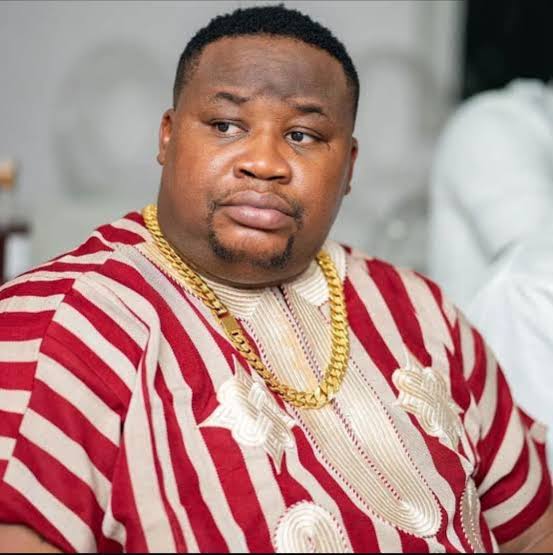
Political ambition met a harsh reality this weekend after celebrity businessman and nightlife promoter Pascal Okechukwu publicly reacted to his defeat in the All Progressives Congress (APC) House of Representatives primary election in Imo State.
The outcome has sparked wider conversations about celebrity influence in Nigerian politics, grassroots structures within the APC, and the limits of online popularity in real electoral contests.
Cubana Chief Priest, who recently declared his political ambition for the Orsu/Orlu/Oru East Federal Constituency seat in Imo State, lost the APC primary after reportedly securing only 14 votes during the exercise.
The socialite, known for his strong support for President Bola Ahmed Tinubu and his involvement with the pro-Tinubu City Boy Movement, reacted shortly after the results emerged in a video circulating across social media platforms.
Speaking emotionally, he said:
“I’m a hustler, and I didn’t regret trying to contest for a position. My only regret was trusting the elders in the community.
“I know how much I gave them, but only 14 people voted for me in the primary.”
Advertisement
Reports from multiple Nigerian platforms confirmed that the APC ticket eventually went to incumbent lawmaker Canice Moore Nwachukwu, further exposing the difficult internal dynamics of party primaries in the state.
The APC primary result once again underlines a recurring pattern in Nigerian politics: popularity online does not automatically translate into political influence at the grassroots level.
For years, entertainers and celebrities have increasingly attempted to transition into politics, banking on fame, wealth, and online engagement. Yet party primaries in Nigeria are often determined by long-standing political alliances, delegate negotiations, and local structures built over many years.
That deeper reality appeared to confront Cubana Chief Priest directly.
His remarks about “trusting elders” also hint at the often controversial role played by local political stakeholders during internal party contests. In many Nigerian primaries, aspirants frequently rely on consultations, endorsements, and political bargaining that may not always translate into actual votes on election day.
What makes this more complex is that Cubana Chief Priest was not politically invisible before the contest. He had publicly aligned himself with President Tinubu’s political movement and maintained strong visibility within APC circles, especially among younger supporters online.
Yet the outcome suggests that visibility alone may have limited value without established ward-level influence and delegate control.
For many young Nigerians watching the development unfold online, the story reflects a broader lesson about the structure of Nigerian politics itself.
The country has increasingly seen wealthy entrepreneurs, entertainers, and influencers attempt political entry, especially after the #EndSARS era energized conversations around youth participation in governance.
But unlike general elections where mass popularity can matter significantly, party primaries are usually controlled by smaller voting blocs with entrenched loyalties.
Nigeria has witnessed similar situations before. Several high-profile public figures across states have struggled during internal party contests despite massive online followings. Political analysts often argue that Nigerian elections remain heavily dependent on local organization, grassroots negotiation, and longstanding patronage networks.
In Imo State particularly, internal APC politics has remained highly competitive ahead of the next election cycle, with incumbents and established political figures maintaining strong influence across constituencies.
Advertisement
The reaction from social media users has largely focused on mockery and memes, but the political implications may extend further.
Cubana Chief Priest’s defeat raises fresh questions about whether celebrity-backed political movements can evolve into serious electoral structures or whether they remain largely symbolic in Nigeria’s current political climate.
It also exposes the gap between digital influence and institutional political power — a divide many younger political aspirants may increasingly face as Nigeria’s political landscape becomes more competitive ahead of future elections.
The real concern now is whether figures like Cubana Chief Priest retreat from politics after setbacks or use defeats like this to build stronger grassroots systems over time.
For the APC in Imo State, the primary may be over, but the broader debate about money, influence, celebrity status, and real political structure is only beginning.
You must log in to comment or reply.
Comments