
 Nigeria's long-running debate over policing has entered a decisive new phase after the House of Representatives approved the Executive Bill seeking to establish state police. The move represents one of the country's most significant constitutional security reforms in decades, but its implementation will depend on further legislative and state-level approvals.
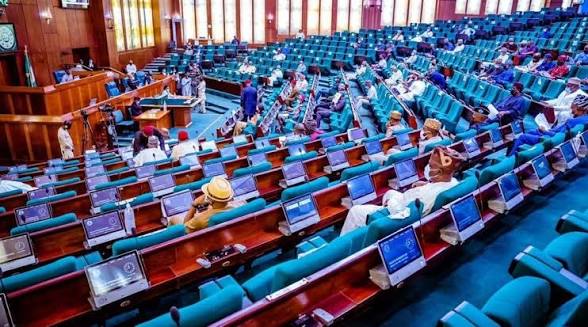
The House of Representatives on Thursday passed the Executive Bill proposing the establishment of state police across Nigeria, marking another major step toward restructuring the country's security architecture.
The bill was approved during plenary after lawmakers agreed to withdraw the House's earlier constitutional amendment proposal on state policing and instead adopt the Executive version submitted by President Bola Tinubu's administration.
The decision aligns the House with the Nigerian Senate, which had previously passed its own version of the legislation. With both chambers now backing the proposal, attention shifts to the remaining constitutional process required before the reform can become law.
The proposed legislation seeks to introduce a dual policing system that would allow both the Nigeria Police Force and state-controlled police services to operate within clearly defined constitutional responsibilities. Supporters argue the reform is necessary to improve responses to rising insecurity, including banditry, kidnapping, terrorism, communal violence, and other local security threats that have stretched federal policing resources.
Daily Post focused on the House's passage of the Executive Bill and described it as a major milestone in Nigeria's effort to decentralize policing.
Advertisement
Punch Newspapers highlighted lawmakers' decision to abandon their earlier proposal in favour of the Executive Bill, emphasizing the political consensus that emerged around the revised legislation.
Meanwhile, other national and international reports placed greater emphasis on the constitutional implications of creating a dual policing structure and the country's broader security challenges that have intensified calls for reform.
Much of the initial reporting concentrated on the legislative development itself. Less attention was given to the constitutional hurdles that remain before the proposal can take legal effect or the operational questions surrounding funding, oversight, recruitment, and coordination between federal and state police agencies.
Calls for state police have existed for more than two decades, driven by concerns that Nigeria's highly centralized policing model has struggled to address rapidly evolving security threats across the country's diverse regions.
Governors, traditional rulers, and security analysts have repeatedly argued that local policing could improve intelligence gathering, shorten emergency response times, and strengthen community engagement, particularly in rural communities where federal security presence is often limited.
However, opponents have consistently warned that state police could become vulnerable to political interference if adequate constitutional safeguards are not established. Civil society groups and legal experts have argued that clear mechanisms for accountability, operational independence, funding, and human rights oversight will be essential to prevent abuse of policing powers.
The debate therefore extends beyond security alone. It also raises questions about Nigeria's federal structure, the balance of power between Abuja and the states, and how constitutional institutions can adapt to evolving security realities while protecting democratic governance.
Nigeria currently operates one centralized police force under the authority of the Federal Government, serving a population of more than 220 million people across 36 states and the Federal Capital Territory.
Over the years, worsening insecurity—including armed banditry in the North-West, insurgency in the North-East, farmer-herder conflicts in the Middle Belt, oil-related crimes in the Niger Delta, and rising kidnapping incidents in southern states—has intensified demands for decentralized policing.
Advertisement
Several states have already established regional security outfits such as Amotekun in the South-West and Ebube Agu in parts of the South-East. However, these organisations do not possess the full constitutional policing powers that the proposed state police system would provide.
Although both the Senate and House of Representatives have now advanced the Executive Bill, the constitutional amendment process is not yet complete. The proposal must still secure approval from at least two-thirds of Nigeria's 36 State Houses of Assembly before it can be transmitted for presidential assent.
The passage of the Executive Bill represents significant legislative progress, but the most demanding phase of the reform may still lie ahead. State legislatures will now determine whether the constitutional amendment receives the nationwide support required for implementation.
Beyond legislative approval, policymakers will face equally complex decisions on funding arrangements, recruitment standards, command structures, and accountability mechanisms. How those issues are resolved could determine whether state police strengthen Nigeria's security system or introduce new governance challenges.
You must log in to comment or reply.
Comments