
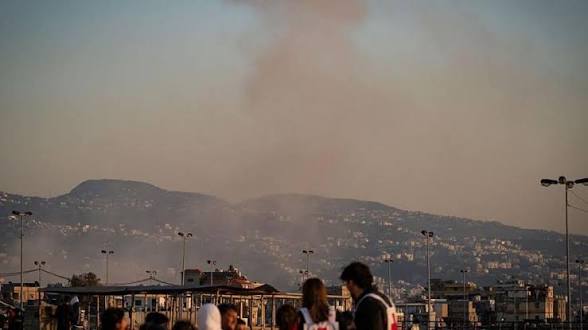
Tehran launched fresh missile and drone attacks targeting Israel, Lebanon, and U.S.-aligned bases in the Gulf on March 11, intensifying a conflict that has already disrupted energy markets worldwide. The moves coincide with global efforts to stabilize oil prices, highlighting the high stakes for both regional security and international economic stability.
The conflict, now in its twelfth day, erupted following U.S.-Israeli strikes on Iran and has rapidly spread to neighboring states. Iran’s Revolutionary Guards targeted military bases in Qatar, Iraq, Bahrain, and the UAE, while missiles struck Israeli territory, forcing millions into bomb shelters. In Lebanon, Israeli strikes hit Hezbollah positions and civilian areas, exacerbating a humanitarian crisis. Reuters reports that drone and missile attacks continued early Wednesday, underscoring Tehran’s operational reach despite global condemnation.
The hostilities have effectively stalled oil flows through the Strait of Hormuz, a critical conduit for one-fifth of the world’s oil. Prices spiked sharply before the International Energy Agency proposed its largest-ever reserve release, calming markets temporarily. While Trump administration officials suggested a possible military escort for tankers, miscommunications have added volatility. Analysts note that even with reserve releases, persistent threats to shipping lanes leave energy markets vulnerable to repeated shocks.
Advertisement
Beyond immediate strikes, the war exposes structural vulnerabilities in global energy security, regional alliances, and civilian safety. Iran’s vow to halt oil shipments if attacks continue signals a strategic leverage point over both energy-dependent economies and U.S. regional influence. Civilians across multiple countries—Israel, Lebanon, Iraq, Bahrain, and UAE—remain at risk, while the displacement of populations and disruption to trade pose lasting humanitarian and economic challenges.
The confrontation builds on longstanding tensions following Iranian internal crackdowns and U.S.-Israel security postures in the Middle East. Earlier strikes, including the targeted killing of senior Iranian figures, triggered a chain of retaliatory measures. Past conflicts have shown that even brief disruptions in the Gulf can reverberate globally, affecting commodity prices, trade flows, and geopolitical alignments.
The most important thing now is whether diplomacy, strategic reserve releases, and military restraint can restore stability to energy markets without escalating civilian harm. Yet the deeper concern is structural: unless underlying regional tensions and vulnerabilities in global oil supply are addressed, recurring flare-ups could become a persistent threat to both security and markets.
You must log in to comment or reply.
Comments