
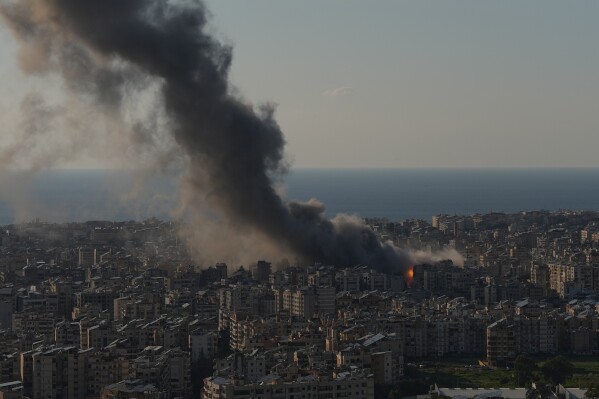
Air-raid sirens echoed across Jerusalem, Tel Aviv and several other Israeli cities early Wednesday after missiles were launched from Iran, forcing residents into shelters and prompting interception efforts by the Israeli military. Within minutes, authorities issued an all-clear — but the strategic message behind the barrage is far from over.
The Israel Defense Forces (IDF) confirmed it detected incoming missiles and activated air-defense systems. Emergency service Magen David Adom reported no immediate casualties, though police said they were searching for debris and interceptor fragments in the Jerusalem area. Israeli media reported that shrapnel ignited a small fire near the capital.
International outlets including Reuters and The Times of Israel similarly reported widespread sirens and interception attempts, though some also noted that earlier waves in recent days resulted in minor injuries and localized damage — a dimension the initial Vanguard report mentioned only briefly. What makes this more complex is that this latest launch followed another Iranian missile attack just hours earlier, pointing to sustained rather than isolated escalation.
Advertisement
Beyond the official statements, the deeper issue is strategic signaling. Iran’s repeated launches appear calibrated: enough to demonstrate reach and retaliation, but limited enough to avoid catastrophic civilian casualties that could trigger wider regional war. Israel’s Iron Dome and layered defense systems have so far mitigated large-scale damage, but repeated alerts are straining civilian life and economic activity.
The broader conflict backdrop is critical. Hostilities between Iran and Israel have intensified in recent weeks, drawing in regional actors and raising fears of maritime and energy disruption. With each exchange, the margin for miscalculation narrows.
You must log in to comment or reply.
Comments