
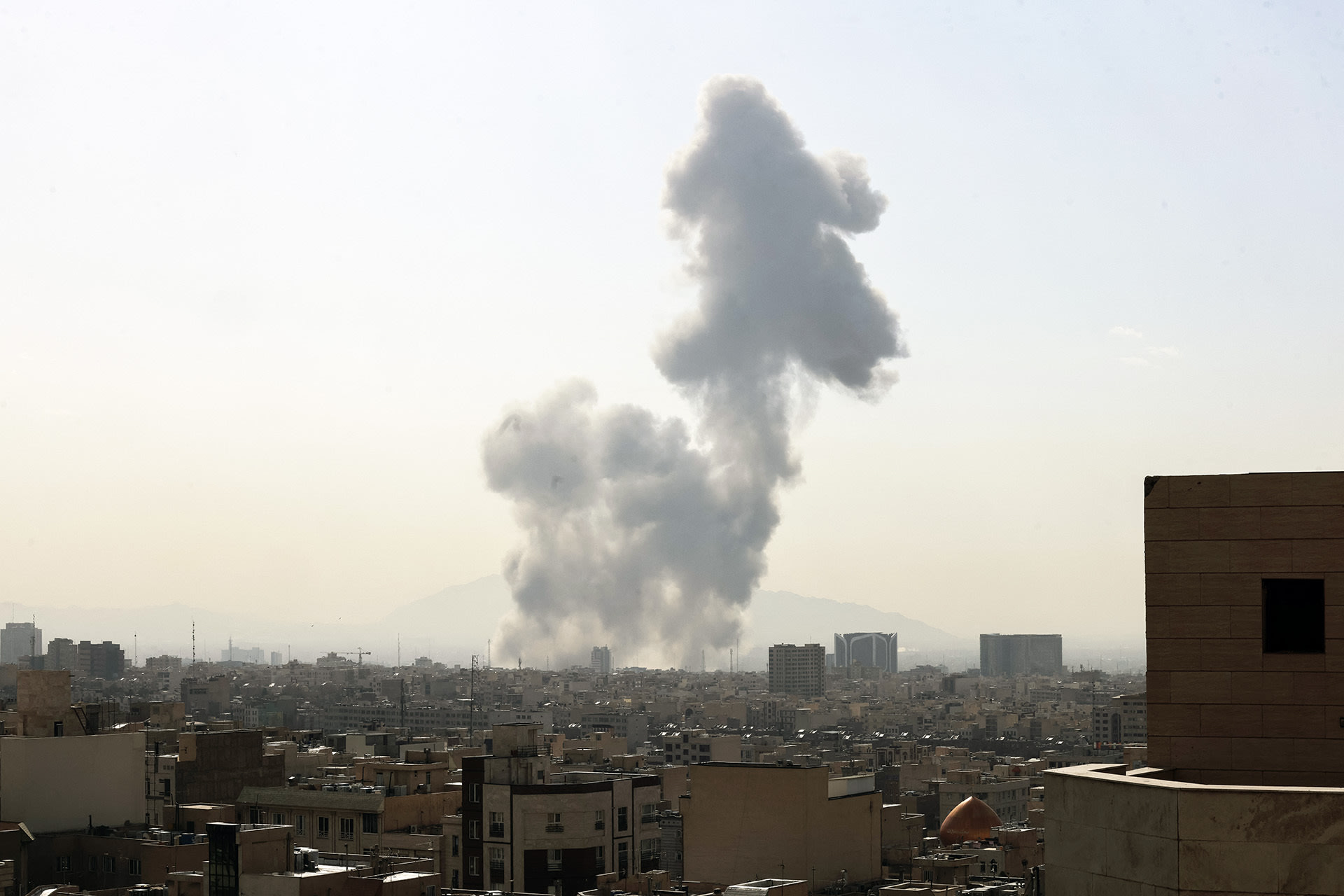
Explosions echoed across Tel Aviv early Friday after Iran launched another wave of missiles toward Israel, marking a fresh escalation in a rapidly expanding Middle East conflict. While Israeli defenses intercepted many of the incoming projectiles, falling debris damaged buildings and sparked fires in residential areas.
Emergency services in Israel reported several impact sites following the missile barrage, including a residential building on the outskirts of Tel Aviv where firefighters battled flames caused by intercepted rocket fragments. Authorities said no casualties were recorded, though residents in affected areas were temporarily evacuated.
Iranian state media described the attack as a strike on “targets in the heart of Tel Aviv,” framing it as retaliation after Israel widened its campaign against Hezbollah and other Tehran-aligned groups. Israeli military officials confirmed that air defense systems were activated overnight to intercept incoming missiles.
Advertisement
Similar reports from international outlets such as AFP and regional broadcasters emphasized the dramatic night sky over central Israel, where interceptor rockets and missile trails illuminated cities along the Mediterranean coast, including Netanya.
However, a closer look at the broader reporting shows the attack is not an isolated strike but part of a chain reaction unfolding across the region. The latest exchange follows the killing of Iran’s Supreme Leader, Ayatollah Ali Khamenei, during coordinated US-Israeli strikes on Iranian targets days earlier—an event that significantly raised the stakes of the confrontation.
That framing leaves out a deeper geopolitical risk. Iran’s direct missile launches against Israel represent a shift from its traditional reliance on proxy groups such as Hezbollah. Analysts say this could draw additional actors into the conflict, raising fears of a wider regional war stretching from Lebanon to the Persian Gulf.
Beyond the immediate military exchange, the confrontation is already sending shockwaves through global energy markets and diplomatic channels. Governments across Europe and Asia have urged restraint, warning that continued escalation could destabilize international trade routes and oil supplies.
Advertisement
Attention is now shifting to whether the latest round of missile strikes represents a temporary escalation or the start of sustained direct hostilities between Iran and Israel. Decisions made in the coming days—through military response, diplomacy, or outside intervention—could shape whether the conflict stays contained or spreads further across the region.
You must log in to comment or reply.
Comments