
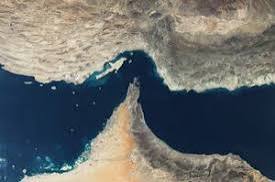
The narrow waterway that carries a fifth of the world’s oil is once again at the center of a high-stakes geopolitical standoff. Iran’s decision to keep the Strait of Hormuz effectively closed under a US naval blockade is raising fresh fears about energy security, fragile diplomacy, and the risk of wider conflict.
Iran has maintained its position that the Strait of Hormuz will not fully reopen while US naval forces continue enforcing restrictions on vessels linked to its economy. The standoff intensified after Iranian forces intercepted and seized two commercial ships attempting to navigate the route, underscoring how quickly tensions are spilling into direct maritime confrontations.
The United States, meanwhile, has expanded its enforcement posture, reportedly redirecting dozens of vessels and tightening oversight of shipping activity in the Gulf. Officials describe the move as economic pressure short of full-scale war, but in practice, it has created a de facto blockade that Tehran views as a violation of ceasefire conditions.
The Strait of Hormuz is not just another shipping route—it is the artery through which roughly 20% of global oil supply flows. Any sustained disruption, even without a formal closure, can ripple through fuel prices, inflation, and supply chains worldwide.
Advertisement
What makes the current situation more complex is that both sides are operating below the threshold of declared war. The US blockade aims to squeeze Iran’s oil revenues, while Iran’s response—tightened control and selective seizures—signals it can disrupt global energy flows without shutting the strait entirely. This creates a prolonged “grey zone” conflict where economic pressure replaces open warfare.
For countries like Nigeria, which rely heavily on oil exports, the implications are mixed. Higher global prices could boost government revenue in the short term, but prolonged instability risks disrupting shipping routes, insurance costs, and investment confidence in the energy sector.
Although a ceasefire remains technically in place, both Washington and Tehran accuse each other of undermining it. Diplomatic efforts, including talks reportedly facilitated by Pakistan, have yet to produce a clear breakthrough.
Complicating matters further are parallel tensions across the region, including continued violence in Lebanon despite a separate truce arrangement. This overlap of conflicts increases the risk of miscalculation, where a single incident at sea could trigger a broader escalation.
Oil markets reacted immediately to the latest developments, with benchmark crude prices jumping sharply before stabilizing. This pattern reflects a deeper uncertainty: traders are not just reacting to current disruptions but pricing in the possibility of a prolonged crisis.
Historically, even limited incidents in the Strait—such as tanker seizures or attacks—have triggered global price shocks. The current situation, involving both a blockade and active enforcement by Iran, represents a more sustained and unpredictable threat.
Advertisement
The real challenge now lies in whether diplomatic channels can de-escalate a confrontation that is increasingly playing out at sea rather than at the negotiating table. A prolonged blockade risks hardening positions on both sides, while any misstep could rapidly draw in other regional or global powers.
What authorities do next will determine whether the Strait of Hormuz becomes a bargaining tool—or the flashpoint for a wider economic and military crisis.
You must log in to comment or reply.
Comments