
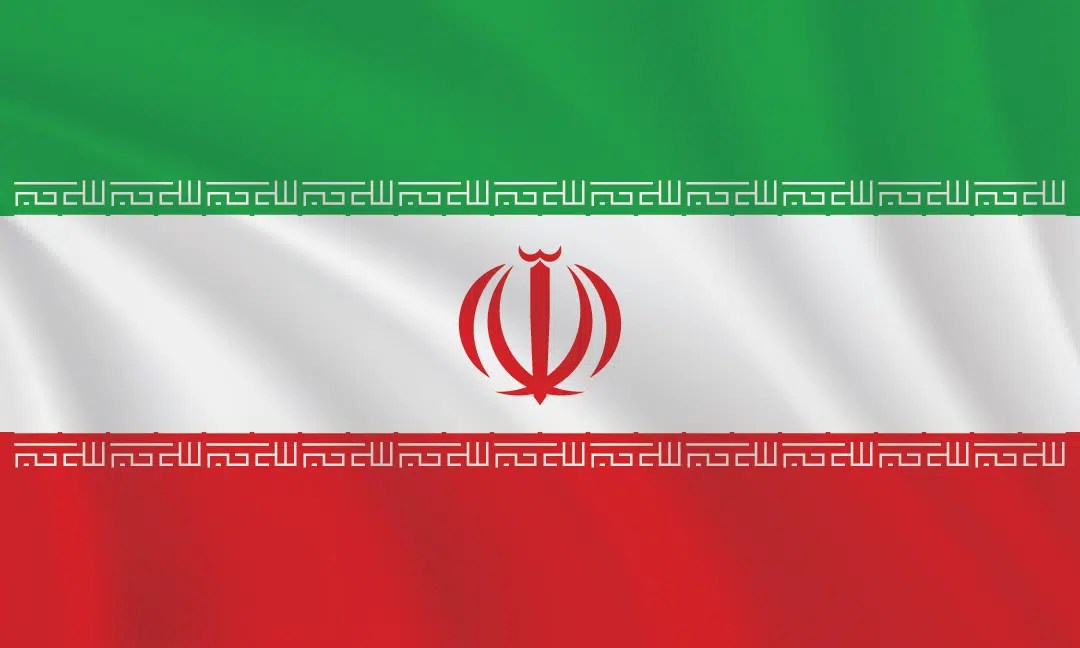
Diplomatic efforts between Washington and Tehran are faltering at a critical moment, just days before a fragile ceasefire is set to expire. Fresh signals from Iran suggest it may not even return to the negotiating table, raising the risk of renewed confrontation. The stakes extend beyond geopolitics, with global oil flows and economic stability increasingly under pressure.
Talks stall as tensions escalate
Iran is not planning to attend the next round of talks with the United States in Islamabad, according to state media, casting uncertainty over diplomatic efforts that were expected to resume this week.
State broadcaster IRIB cited Iranian sources as saying there are “currently no plans to participate in the next round of Iran-US talks,” while other agencies described the atmosphere as far from conducive. The hesitation comes despite U.S. President Donald Trump announcing that American negotiators would travel to Pakistan for renewed discussions.
However, a closer look shows the breakdown goes beyond scheduling disagreements. Iranian outlets including IRNA and Tasnim pointed to Washington’s ongoing naval blockade and what they described as “unreasonable and unrealistic demands” as key obstacles. Tehran has made it clear that lifting the blockade is a precondition for meaningful engagement.
Advertisement
Beyond the diplomatic stalemate, events at sea are shaping the trajectory of the crisis. The United States recently enforced its blockade by intercepting an Iranian vessel attempting to pass through restricted waters.
Trump confirmed the action, stating that the ship “tried to get past our Naval Blockade, and it did not go well for them,” adding that U.S. forces stopped it “by blowing a hole in the engine room” and that Marines had taken custody of the vessel.
Iran has signaled it will respond. A military spokesperson warned that its armed forces would “soon respond and retaliate against this armed piracy,” while reports from Iranian media indicated drones had been deployed toward U.S. naval assets.
That framing leaves out a crucial shift: what began as pressure tactics is now edging into direct confrontation, increasing the risk of miscalculation.
At the center of the crisis is the Strait of Hormuz, a vital corridor through which roughly a fifth of the world’s oil and liquefied natural gas passes. Iran briefly reopened the route following a regional ceasefire but shut it again after the U.S. maintained its blockade.
Shipping activity has since dropped sharply, with tracking data at times showing the waterway nearly empty. Iranian forces have warned that any vessel attempting passage without approval would be considered hostile and targeted.
While some reports focus primarily on Trump’s rhetoric, others highlight the economic fallout. The disruption has already unsettled global markets, with oil supply concerns resurfacing just as economies grapple with inflation and fragile recovery.
What makes this more complex is the underlying dispute over Iran’s nuclear programme. Washington is pushing for stricter controls, including the handling of Tehran’s enriched uranium stockpile. Trump claimed Iran had agreed to relinquish approximately 440 kilograms of enriched material.
Tehran has firmly denied this. Officials insist the stockpile “is not going to be transferred anywhere” and say surrendering it has “never been raised in negotiations.”
Advertisement
Beyond the official statements, the contradiction underscores how far apart both sides remain. Previous talks in Islamabad earlier this month lasted just 21 hours and ended without agreement, suggesting that even when dialogue occurs, breakthroughs are elusive.
The implications extend well beyond the Middle East. For Nigeria, an oil-dependent economy, instability in the Gulf presents a double-edged scenario.
Higher crude prices could boost government revenue, but the domestic consequences are less favourable. Fuel costs, transportation expenses, and inflationary pressures could rise, affecting households and small businesses in cities like Lagos and Port Harcourt.
This pattern is not new. Past disruptions in the Strait of Hormuz have triggered similar cycles—short-term gains in export earnings paired with long-term strain on local economies.
You must log in to comment or reply.
Comments