
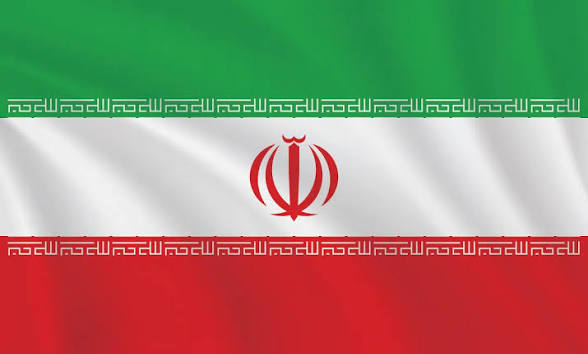
As the conflict with Israel deepens, Iran has taken its case to the global stage. Addressing the United Nations Human Rights Council, Tehran accused the United States and Israel of placing millions of Iranian civilians in danger and vowed it would not bow to military pressure.
Iran’s ambassador to the UN in Geneva, Ali Bahreini, delivered a sharp rebuke to Washington and Tel Aviv during a session of the United Nations Human Rights Council.
He warned that the lives of around 90 million Iranians were now under threat due to ongoing military strikes.
“The most urgent human rights issue concerning Iran is the imminent threat to the lives of millions of people under reckless military aggression,” Bahreini told the council.
Iran has accused the United States and Israel of carrying out a series of missile and air strikes on its territory since late February.
Tehran says the attacks have killed more than 1,300 people and injured over 7,000, although independent verification remains difficult during the conflict.
Advertisement
International coverage of the speech has largely focused on Iran’s defiant tone. Reuters and AFP highlighted Tehran’s insistence that it would not submit to intimidation.
However, the diplomatic message also reveals a broader strategy.
By raising the issue at the UN Human Rights Council, Iran is attempting to shift the global conversation away from its domestic human-rights record — which was the original focus of the Geneva session — and toward the military campaign against it.
The move reflects a familiar wartime tactic: reframing the narrative to emphasize external threats rather than internal scrutiny.
Yet the deeper issue is that both diplomatic and military fronts of the conflict are now intensifying simultaneously.
The UN session had originally been examining Iran’s response to nationwide protests that began late last year.
According to the council’s special rapporteur, thousands of deaths have been reported by civil-society groups during the government’s crackdown on demonstrators.
Investigators also raised concerns about hospitals being raided and injured protesters arrested while seeking medical treatment.
Iran, however, urged delegates to focus instead on what it described as attacks on civilian targets during the current war.
Tehran claims a missile strike hit a school in the southern city of Minab, killing children — an allegation the United States says it is investigating.
Advertisement
These competing narratives illustrate the complex reality facing international institutions during wartime: determining accountability becomes significantly harder when both sides accuse each other of violations.
The war between Iran and Israel, triggered by strikes on Iranian facilities in late February, has quickly evolved into one of the most dangerous confrontations in the Middle East in years.
Several Gulf countries have condemned Iranian retaliatory strikes across the region, warning they threaten regional stability.
At the same time, humanitarian experts warn that prolonged hostilities could worsen conditions for civilians both inside Iran and across neighboring states.
You must log in to comment or reply.
Comments