
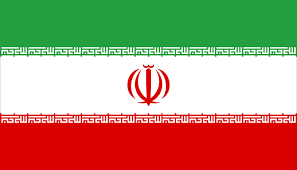
Military tensions between Iran and the United States have escalated again, with Iran’s Revolutionary Guard issuing fresh warnings over reported attacks on its oil tankers in the Gulf region. The latest threat comes at a sensitive moment for global energy markets already watching instability around the Strait of Hormuz, one of the world’s most important oil transit routes.
Beyond the sharp rhetoric, the growing confrontation raises wider concerns for shipping security, crude oil prices, and fragile diplomatic efforts aimed at preventing a broader regional conflict.
Iran’s Islamic Revolutionary Guard Corps (IRGC) warned the United States against carrying out further attacks on Iranian tankers, saying American military assets in the region could face retaliation if such operations continue.
According to statements carried by multiple international outlets, IRGC Aerospace Force commander Gen. Majid Mousavi said Iranian missiles and drones were prepared for potential military action and awaiting orders.
“The United States will have heavy attacks on its assets if it hits our tankers again,” the commander warned.
Iran’s naval command also repeated similar threats through social media statements, saying Tehran could target American positions and what it described as “enemy ships” operating in regional waters.
The warning follows several days of rising confrontation around the Strait of Hormuz, where both Washington and Tehran have accused each other of aggressive military activity involving naval vessels, drones, and tanker operations.
Advertisement
The deeper issue is not just the exchange of threats between Iran and the US, but the strategic importance of the Strait of Hormuz itself.
Roughly one-fifth of the world’s oil supply moves through the narrow waterway daily. Any sustained military escalation there could rapidly affect global crude prices, shipping insurance costs, and fuel markets across Africa, Asia, Europe, and North America.
For Nigeria, the implications are more complex than they first appear.
Although Nigeria is an oil-producing country, instability in global oil markets often creates domestic ripple effects. Rising international crude prices can increase government revenue temporarily, but they can also trigger higher fuel import costs, inflationary pressure, and transport expenses for ordinary Nigerians.
A similar pattern emerged during earlier Gulf tensions in 2019 and 2020, when global shipping risks pushed energy prices upward and contributed to wider uncertainty in emerging economies.
What makes the current situation more sensitive is the already fragile state of global trade routes. Shipping companies operating in the Gulf region have become increasingly cautious following repeated incidents involving drones, tanker seizures, and naval escorts.
That framing leaves out another major concern: investor confidence.
Persistent instability in the Gulf could affect global financial markets and weaken confidence in energy-dependent economies at a time many countries are still battling post-inflation recovery challenges.
Security analysts say both Iran and the United States may currently be using strategic messaging as much as direct military action.
Iran’s repeated references to missiles, drones, and American targets appear designed to project deterrence and discourage further tanker operations. On the other side, the US has continued expanding naval monitoring and defensive deployments across Gulf waters.
Yet the deeper risk is miscalculation.
Past confrontations in the region have shown how quickly limited incidents involving drones or commercial vessels can spiral into broader military crises.
Advertisement
Several international observers also note that both sides are under domestic and geopolitical pressure. Iran continues to face economic sanctions and regional isolation, while Washington is balancing Middle East security commitments alongside wider global conflicts and strategic competition elsewhere.
The Strait of Hormuz has remained a recurring flashpoint for decades due to its strategic role in global energy transportation.
During previous periods of confrontation, including the 1980s “Tanker War” and the 2019 tanker seizure crisis, even isolated incidents caused immediate volatility in oil markets and triggered international diplomatic intervention.
Current tensions appear to follow a similar pattern, though analysts warn that drone warfare and modern missile systems now make the risks far more unpredictable.
Oil traders are also closely watching whether the crisis could disrupt shipping schedules or force rerouting through more expensive maritime paths.
You must log in to comment or reply.
Comments