
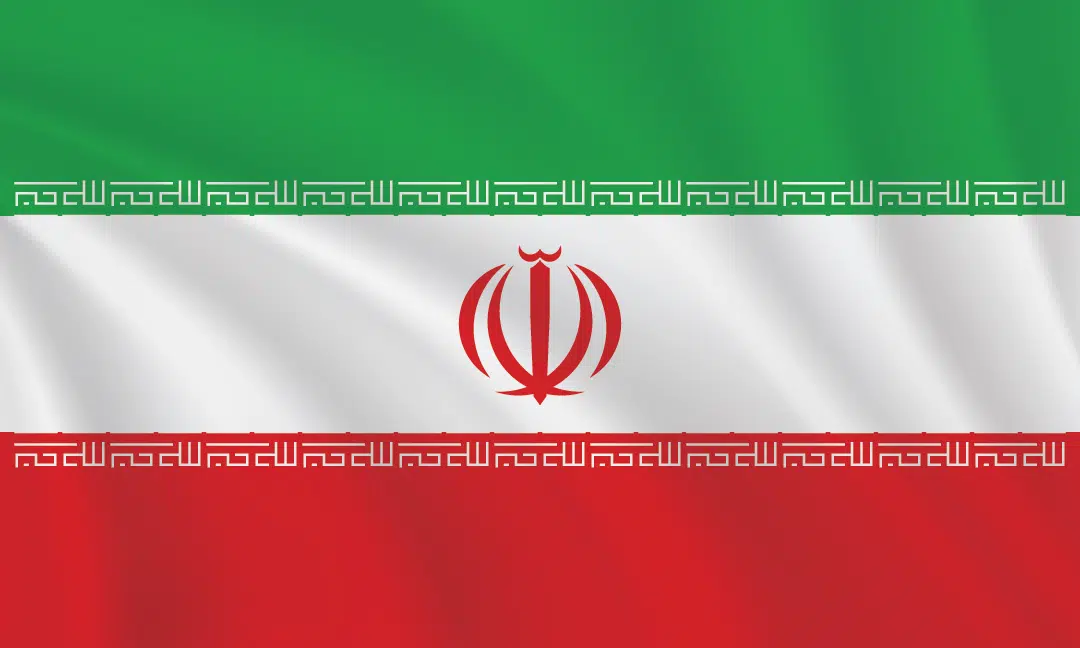
Tehran signals expanding flashpoints beyond the battlefield; dissent inside U.S. security ranks deepens political rifts.
As a costly war between Iran and a U.S.–Israeli coalition stretches into its third week, Tehran’s top diplomat has issued one of the most expansive warnings yet about the conflict’s global economic and security repercussions, even as a senior U.S. national security official resigned in protest — starkly underscoring fractures in Washington over the war strategy.
Iran’s Foreign Minister Abbas Araghchi, speaking on social media, stated that the “wave of global consequences” from the conflict has begun and will spare no one — regardless of race, religion, or wealth — if escalation continues. In the same message, he posted the resignation letter of Joe Kent, director of the U.S. National Counterterrorism Center (NCTC), who said he could no longer support the war because, in his view, “Iran posed no imminent threat” to the United States.
Advertisement
This dual announcement — one from Tehran and one from inside the U.S. national security apparatus — captures two converging pressures on a conflict rapidly affecting global markets, diplomacy, and public opinion.
Unlike the condensed reporting in some outlets, a broader scan of international coverage reveals several critical layers missing from the original narrative:
• Regional economic shockwaves: The ongoing situation has disrupted shipping through the Strait of Hormuz, a chokepoint that typically channels about 20% of world crude oil trade. Multiple reports show tanker traffic plummeting and global oil prices surging amid fears of a prolonged blockage.
Escalation beyond Iranian borders: Iran has carried out missile and drone strikes on U.S. positions and allied territories in the Gulf. In response, the U.S. has moved naval assets and warned of broader retaliation — increasing tension around both the Middle East theater and international trade routes.
Advertisement
These dimensions illustrate why Tehran’s warning of “global consequences” isn’t rhetorical exaggeration: markets, diplomacy, and military alliances are now entangled in ways that could impact energy prices, insurance premiums, and international shipping costs from Asia to Europe.
You must log in to comment or reply.
Comments