
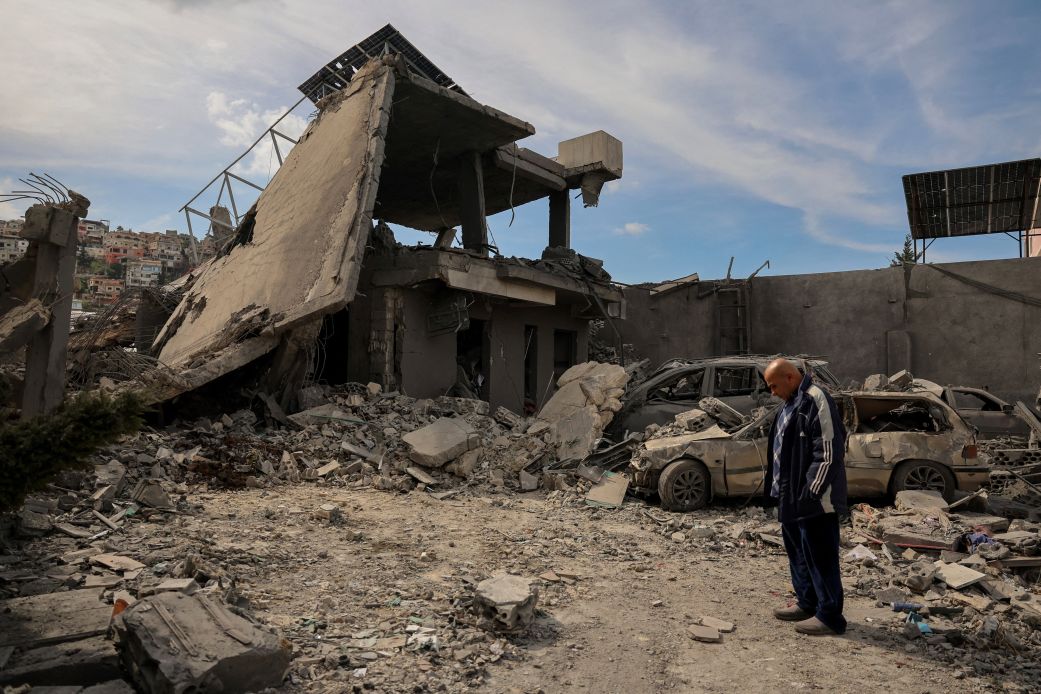
Airstrikes on Tehran and retaliatory strikes across the Middle East have marked another intense day in the month‑long Iran–Israel conflict — even as President Trump signals a possible deal and regional mediators convene. The clash now touches diplomatic fault lines, economic volatility, and fears of broader escalation.
Israeli forces, backed by U.S. military operations, have continued airstrikes on Tehran and Iranian military infrastructure, including electricity and energy facilities, in a conflict that began on February 28, 2026. Iran has responded with missile launches targeting Israel and Gulf states, while key infrastructure in Tehran has suffered power outages, broadening the war’s impact beyond battlefields to civilian life.
President Donald Trump, traveling on Air Force One, reiterated that a diplomatic settlement could be near, suggesting negotiations with Iran are “going extremely well.” Yet the same statements included descriptions of Iran’s new leadership as “very reasonable” and hints at continued military options.
Advertisement
The war now extends across multiple fronts, with Iranian‑aligned forces such as Yemen’s Houthis launching missiles at Israel, potentially drawing additional shipping lanes like the Bab al‑Mandab Strait into the confrontation.
What makes this more complex is the coexistence of diplomacy and force. Trump’s public optimism about a possible deal contrasts with Iranian leadership dismissing negotiation claims and warning of U.S. ground operations — a dissonance that complicates any path to ceasefire.
The war’s geographic spread reveals how regional actors and military proxies are being drawn in, raising the risk of further escalation beyond Iran and Israel. The Houthis’ first missile strikes on Israel demonstrate that allied groups could widen the conflict, with implications for maritime trade routes that underpin global supply chains.
Though the war is distant, global energy markets feel its impact sharply. With Iran effectively blockading the Strait of Hormuz — a channel for about 20 % of the world’s oil and LNG — crude prices have surged above $115 per barrel, contributing to inflationary pressures on energy imports for countries like Nigeria that rely heavily on global oil markets.
Advertisement
This conflict followed months of deteriorating diplomacy over Iran’s nuclear and missile programs, with joint U.S.–Israeli attacks intended to degrade Tehran’s military capabilities while signalling political objectives including leadership change. Although several Iranian missile sites and ballistic infrastructure have been damaged, Tehran continues to launch counter‑strikes — highlighting that destruction of capacity doesn’t equate to conflict resolution.
You must log in to comment or reply.
Comments