
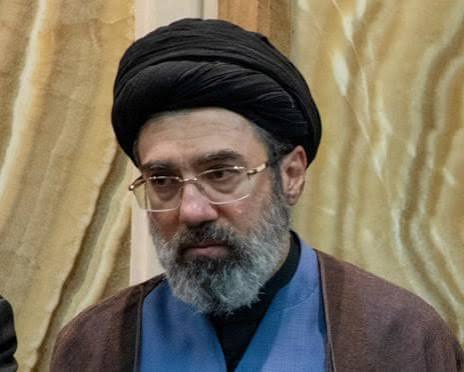
The newly appointed Iranian supreme leader has publicly backed the use of the Strait of Hormuz as a strategic lever in the widening Middle East war, a move reverberating through global oil markets and diplomatic capitals. As tanker traffic falters and energy prices spike, the implications stretch from Gulf ports to world markets and global supply chains.
Ayatollah Mojtaba Khamenei, in his first major statement since being named Iran’s supreme leader, urged that the Strait of Hormuz remain closed as long as regional hostilities continue — a declaration with immediate geopolitical impact.
Multiple international news agencies, including Reuters, AP, and the Financial Times, report that Iran intends to use control over the strait — a crucial maritime artery through which roughly 20–25% of the world’s oil and liquefied natural gas normally flows — as leverage in response to ongoing U.S. and Israeli military operations. This declaration follows an unverified but widely circulated PUNCH report claiming a full shutdown.
What global outlets emphasize — and what earlier iterations of this story underplayed — is the difference between intent and actual closure. Officials in Tehran have signaled they will continue to restrict passage, but so far there is no confirmed verification by independent maritime authorities that the strait is completely sealed in all directions.
Advertisement
Reporting from Reuters and AP shows that Iran’s remarks are not isolated rhetoric but a strategic pivot within a broader theatre of war. Iran’s air defences have engaged multiple tankers and military vessels, while Gulf states have responded defensively, shooting down drones and intercepting threats. Crucially, international energy markets have reacted swiftly — with crude prices spiking toward or above $100 per barrel — reflecting real economic pressure far beyond Middle Eastern borders.
Where the original report left gaps:
Verification: There’s no independent maritime confirmation that the strait is physically blocked 100% of the time, only that traffic is sharply reduced and commercial vessels are diverting.
Market Impact: Global oil inventories and strategic reserve releases — including coordinated action by major consuming nations — factor into the broader story but weren’t included.
Diplomatic Tension: Responses from global institutions like the International Maritime Organization or consumer states like Japan and India provide important context about balancing strategic risk with economic necessity.
The deeper significance is less about a single announcement and more about a strategic shift in Iran’s calculus:
• Leverage, not mere violence: Iran appears to be using the strait as a bargaining chip in negotiations and military deterrence — a move that sends a message to both regional adversaries and global markets.
Advertisement
• Energy security recalibration: The Gulf’s export infrastructure no longer operates under assumed security; international buyers and insurers are recalibrating risk models daily.
• Global economic ripple effects: Higher energy prices increase inflationary pressures and may slow growth worldwide, especially in import‑dependent economies.
This is not just Middle Eastern geopolitics; it’s a structural stress on the global energy system that has repercussions for governments, businesses, and consumers from Lagos to London to Tokyo.
You must log in to comment or reply.
Comments