
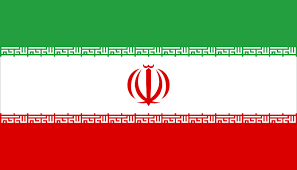
Growing friction between Iran and the United States is once again spilling into the open, with Tehran warning of possible military action over what it describes as a blockade of its ports. The development adds pressure to already volatile shipping routes that influence global oil supply—and, by extension, economies far beyond the Gulf.
At a time of fragile geopolitical balance, even calibrated threats carry real economic and security consequences.
On April 25, 2026, Iran’s military issued a strongly worded statement accusing U.S. forces of “blockading, banditry, and piracy” in regional waters.
The warning came from Khatam al-Anbiya Central Headquarters and was broadcast by Islamic Republic of Iran Broadcasting.
“If the invading US military continues blockading, banditry, and piracy in the region, they should be certain that they will face a response from Iran’s powerful armed forces.”
The command added that Iran is “ready and determined” while closely monitoring the movements of its adversaries.
Beyond the official language, this episode reflects a familiar but dangerous dynamic: military signalling in one of the world’s most sensitive energy corridors.
The tensions are closely tied to activity around the Strait of Hormuz, a narrow passage that handles a significant share of global oil shipments.
Advertisement
What makes this more complex is how both sides interpret the same actions differently:
• The U.S. frames its presence as maritime security and enforcement
• Iran portrays it as blockade and aggression
That framing gap matters. It increases the risk of miscalculation, where routine patrols or enforcement actions are read as hostile escalation.
For Nigeria, the implications are immediate—even without direct involvement.
Oil markets react quickly to perceived disruption risks in the Gulf. Historically, similar tensions have led to:
• Sudden increases in global crude prices
• Higher shipping and insurance costs
Supply chain uncertainty
While higher oil prices can boost Nigeria’s revenue in the short term, the trade-off often includes:
• Rising domestic fuel costs
• Increased transport fares
• Inflationary pressure on households and small businesses
In cities like Lagos, where transport and logistics drive daily economic activity, such global shocks are felt quickly.
This latest warning fits into a long-running cycle in Iran–U.S. relations:
Advertisement
• Periodic military warnings
• Strategic deployments in the Gulf
• Diplomatic standoffs followed by temporary de-escalation
Similar episodes between 2019 and 2022 saw tanker seizures, near-confrontations at sea, and heightened global market volatility.
Current conditions—marked by overlapping regional tensions and fragile alliances—make the situation more unpredictable than usual.
The immediate situation remains a war of words, but the stakes lie in what happens next.
The bigger risk is not a declared conflict, but an unintended escalation at sea, where rapid military decisions leave little room for correction. What Washington and Tehran choose to do in the coming days will shape not just regional stability, but also the direction of global energy markets.
You must log in to comment or reply.
Comments