
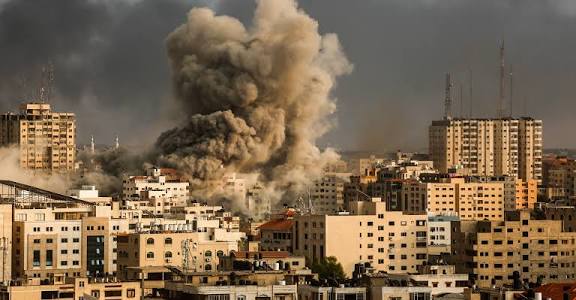
Israel has launched a series of preemptive airstrikes on Iran, prompting sirens across Jerusalem and a nationwide emergency declaration. Smoke and explosions have been reported across Tehran, signaling a sharp escalation in an already tense Middle East. Analysts warn the move could disrupt ongoing diplomatic efforts and ignite broader regional conflict.
On Saturday, Israel announced “preventive strikes” against Iran, with Defence Minister Israel Katz declaring a special and immediate state of emergency. Iranian state media confirmed multiple explosions in Tehran, notably in the north and east, with smoke rising over central squares. Sirens sounded across Israel, warning of possible retaliatory missile attacks.
Beyond the headlines, this escalation underscores structural fragilities in regional security. Israel frames the strike as defensive, citing ballistic missile threats, while Iran has warned it will retaliate with force. The conflict could destabilize oil markets, regional security, and international diplomatic channels. Historical patterns, including the 12-Day War last year, show preemptive strikes often trigger rapid escalation with broader regional consequences.
Advertisement
Iran has refused to limit its ballistic missile program or cut support to proxy groups, including Hezbollah, Hamas, and Houthis.
The US has recently deployed its largest Middle East military presence since 2003.
Past Israeli strikes on Iran’s nuclear facilities have triggered temporary regional conflicts.
The concerning issue now is whether diplomacy can resume amid active conflict. Global powers, particularly the US and EU, face the delicate task of preventing escalation into a larger war. The next 72 hours will likely determine whether this confrontation remains localized or sparks a wider regional crisis.
You must log in to comment or reply.
Comments