
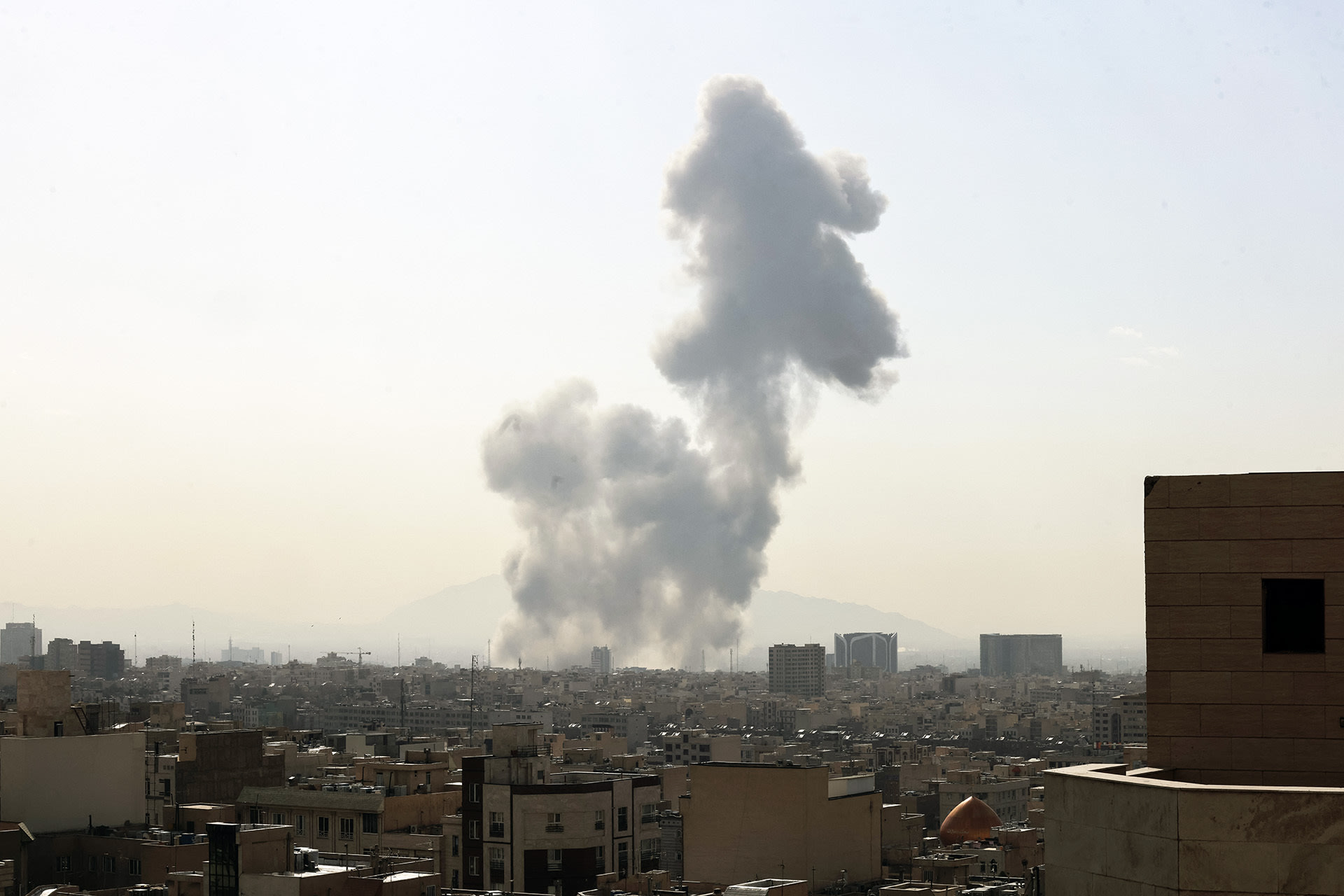
Tensions along the Israel-Lebanon border have escalated sharply after Israel launched airstrikes across Lebanon, including Beirut, in response to rocket and drone fire claimed by Hezbollah. The exchange follows the reported killing of Iran’s Supreme Leader, Ayatollah Ali Khamenei, in US-Israeli strikes on Tehran — a development that has jolted the region into a new phase of uncertainty.
The Israeli military said it began targeting sites linked to Hezbollah after several projectiles were fired from Lebanese territory. Explosions were heard in Beirut’s southern suburbs, long considered Hezbollah’s stronghold, while evacuation warnings were issued for dozens of towns in southern and eastern Lebanon.
Hezbollah described its rocket and drone launches as retaliation for Khamenei’s killing and as defence against repeated Israeli strikes since a November 2024 ceasefire. Israeli officials countered that Hezbollah had “opened a campaign” and would bear responsibility for escalation.
Advertisement
Lebanese Prime Minister Nawaf Salam condemned the rocket fire as “irresponsible,” warning it risks dragging the country into a broader conflict. President Joseph Aoun similarly cautioned against turning Lebanon into an arena for regional wars.
International coverage has largely framed the incident as a tit-for-tat exchange. However, a closer look shows the fragility of the 2024 ceasefire and Lebanon’s internal dilemma. While Israel has conducted periodic strikes citing truce violations, this marks Hezbollah’s first openly claimed attack since the agreement.
The deeper concern is strategic alignment. Hezbollah’s response suggests that attacks on Iran’s leadership could override its previous reluctance to engage directly. That framing leaves out a critical factor: Lebanon’s economic collapse and political paralysis make it particularly vulnerable to renewed conflict.
Displacement was already reported from Beirut’s suburbs and southern towns, with public schools opened as shelters — an early sign of humanitarian strain if hostilities widen.
Advertisement
The conflict now intersects with the broader Iran-Israel confrontation. Missile and drone exchanges across the region raise the risk of miscalculation, particularly if cross-border fire intensifies.
What authorities do next will determine whether this remains a contained exchange or becomes the opening chapter of a wider regional war.
You must log in to comment or reply.
Comments