
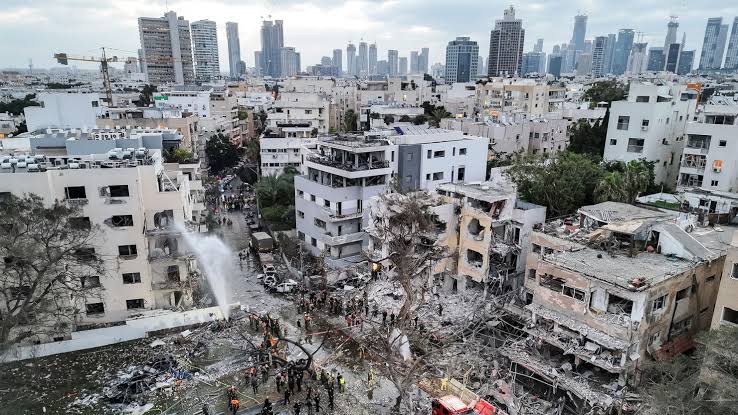
A sudden wave of strikes hit Tehran early Wednesday as the conflict between Israel, the United States, and Iran intensifies. Far from being a distant flashpoint, the violence now ripples through energy markets, regional states, and global diplomacy—threatening prolonged instability and economic strain.
On April 1, 2026, explosions were reported across Iran’s capital, with Israel acknowledging a “wide‑scale” strike campaign deep inside Iranian territory. This came as U.S. President Donald Trump prepared a nationally televised address on the conflict’s trajectory and duration. While Trump suggested the war could end in “weeks,” other details from the battlefield tell a more complex story.
However, a closer look at reporting from Reuters, The Guardian, and other major outlets shows the conflict’s layers extend beyond the initial headlines of strikes and speeches. These sources underscore ongoing retaliatory activity, shifts in regional alliances, and economic disruptions that have received less sustained focus.
Advertisement
In contrast to single‑source versions of the story, credible international reporting emphasizes that missiles and drone attacks have occurred not only in Iran but also against Israeli territory, Gulf states, and critical infrastructure in countries like Kuwait and Bahrain. News agencies highlight that Yemen’s Houthi forces have launched missiles toward Israel and shipping lanes, while the U.S. Central Command released footage it said showed precision strikes deep inside Iran. This paints a picture of a multi‑front conflict, not a confined set of isolated strikes.
What makes this more complex—beyond military actions—is the widening geopolitical impact. Global energy markets reacted sharply: prices climbed on concerns about the Strait of Hormuz, a chokepoint through which a significant share of the world’s oil transits daily. Higher fuel costs now feed into inflationary pressures already felt in economies from Europe to Nigeria, where imported energy and commodity prices are sensitive to global crude benchmarks.
That framing also leaves out important diplomatic undercurrents. While Trump alternates between hardline rhetoric and signals of possible negotiations, Iranian officials have publicly stated that communications with U.S. envoys continue, even if both sides deny formal talks. This nuance suggests that back‑channel diplomacy may be active, even as public statements remain combative.
The deeper issue is that these military and diplomatic developments are unfolding against a backdrop of regional alliances and proxy engagements that could entrench the conflict. Hezbollah in Lebanon continues to clash with Israeli forces, with significant casualties and displacement reported in southern Beirut and surrounding areas. These dynamics show the war is not simply bilateral but part of an interconnected regional security crisis.
Advertisement
Looking historically, the Middle East has experienced multiple cycles of escalation involving Iran, Israel, and U.S. interests. But the current conflagration stands out because of direct U.S. military involvement, active strikes on Iranian soil, and broad participation by non‑state actors like the Houthis. These elements increase the risk that localized battles could evolve into a more protracted regional war.
You must log in to comment or reply.
Comments