
Diplomatic movement is emerging in one of the world’s most volatile conflict zones. As fighting continues between Israel and Lebanon, new talks—quiet but significant—could determine whether the region edges toward de-escalation or deeper instability.
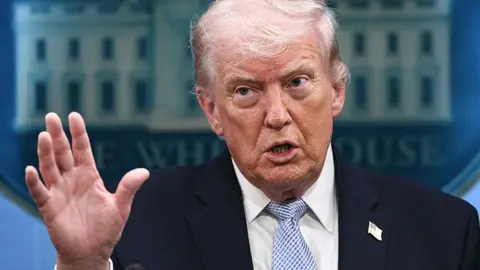
On April 16, 2026, Donald Trump indicated that leaders from Israel and Lebanon are expected to engage in further talks following rare direct negotiations hosted in Washington.
These discussions come after weeks of intense conflict involving Hezbollah, which escalated in early March and has since resulted in thousands of deaths and widespread displacement across Lebanon.
According to multiple reports, the United States is attempting to create a pathway toward a broader peace arrangement, even as military operations continue on the ground.
Beyond the official statements, the situation reflects a complex diplomatic balancing act.
The United States is attempting to simultaneously:
• Contain a regional war involving Iran-linked actors
Advertisement
• Maintain pressure on Benjamin Netanyahu to consider negotiations
• Avoid tying Israel–Lebanon talks directly to broader U.S.–Iran discussions
Yet the deeper issue is that diplomacy is unfolding while active conflict continues. Israeli strikes have not stopped, and Hezbollah remains a central obstacle to any agreement.
What makes this more complex is the gap between political messaging and operational reality. While leaders signal openness to dialogue, conditions on the ground—ongoing attacks, displacement, and entrenched positions—suggest that a durable agreement is still distant.
For global markets and oil-dependent economies like Nigeria, even the perception of progress is significant. Recent optimism around these talks has already influenced investor sentiment and energy expectations.
This marks the first known direct engagement between Israeli and Lebanese officials since the early 1990s, highlighting the rarity—and potential significance—of the moment.
Historically, previous attempts at normalization have failed due to:
• Disputes over Hezbollah’s role
• Border security tensions
• Broader regional rivalries involving Iran
Current figures underline the urgency:
• Over 1 million people displaced in Lebanon
Advertisement
• Thousands of casualties reported since March
• Continued military escalation despite diplomatic outreach
These conditions mirror past Middle East crises, where negotiations often begin before violence fully subsides, making outcomes uncertain.
The announcement of potential talks is a step, but not yet a breakthrough.
The real issue now is whether diplomatic signals can translate into concrete actions—such as reduced hostilities or a structured negotiation framework. Without that, the risk remains that talks become symbolic, while the conflict deepens on the ground.
What Washington, Tel Aviv, and Beirut do next will determine whether this moment marks the بداية of de-escalation—or just another pause in a prolonged regional crisis.
You must log in to comment or reply.
Comments