
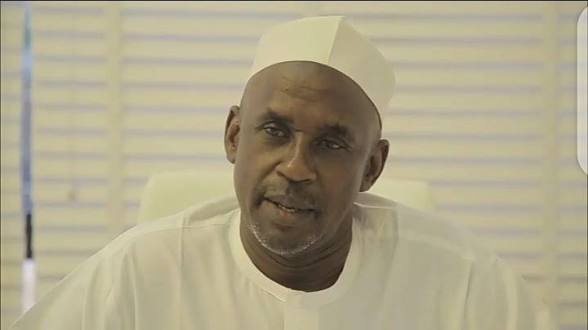
Former President Goodluck Jonathan may not have formally declared for the 2027 presidential election, but the growing conversation around his potential return is already triggering fresh political calculations across Nigeria.
A statement by public affairs analyst Mahdi Shehu on Thursday added another layer to the debate, suggesting that Jonathan’s re-entry into presidential politics could weaken the regional and emotional voting blocs currently forming ahead of the next general election.
According to Shehu, Jonathan’s candidacy could disrupt what he described as “bloc votes being built through sentiments,” particularly as political parties and emerging coalitions begin positioning themselves for 2027.
The comments came shortly after Jonathan confirmed in Abuja that he was consulting widely following pressure from youth groups and supporters urging him to contest again. Multiple national platforms reported that the former president stopped short of declaring his ambition but acknowledged the growing calls for his return.
“You are asking me to come and contest the next election. Presidential race is not a computer game. But I’ve heard you and I’ll consult widely,” Jonathan said during the meeting.
However, a closer look at Shehu’s remarks reveals a deeper concern already taking shape within Nigeria’s political landscape: the fear that another Jonathan candidacy could redraw existing alliances both within the opposition and among undecided voters.
Advertisement
In a post shared on X, Shehu argued that Jonathan could attract Nigerians who regretted opposing him during the 2015 election, especially after his widely praised decision to concede defeat peacefully to Muhammadu Buhari. He also suggested that some voters who feel politically alienated today may view Jonathan as a stabilising alternative.
“He will dilute bloc votes being built through sentiments,” Shehu stated.
He added that Nigerians who appreciated Jonathan’s peaceful transition in 2015 might once again place their trust in him if he eventually joins the race.
“Those who appreciate his sacrifice in 2015 will entrust him,” he said.
While Daily Post focused primarily on Shehu’s political interpretation, other platforms concentrated more on Jonathan’s cautious response and his appeal for peaceful elections and voter participation. That difference in framing is significant because it highlights two separate but connected realities: Jonathan’s undecided position and the growing political anxiety his possible candidacy is already generating.
Beyond the immediate headlines, the discussion reflects broader uncertainties surrounding the 2027 election cycle. Opposition figures including Peter Obi, Rabiu Kwankwaso and other coalition actors are already linked to alliance talks aimed at challenging President Bola Ahmed Tinubu and the ruling APC.
Jonathan’s possible return could complicate those calculations.
What makes the situation more complex is that Jonathan still commands political goodwill across sections of southern Nigeria and parts of the North due to his relatively calm post-election conduct in 2015 — a moment many analysts continue to reference as one of Nigeria’s most important democratic transitions.
Yet the deeper issue is whether nostalgia and public goodwill can translate into electoral strength in a political environment now shaped by economic hardship, regional distrust, youth frustration and shifting party loyalties.
Jonathan himself appeared aware of those realities during his remarks to supporters. He criticised Nigeria’s poor voter turnout and warned that weak electoral participation discourages credible leaders from entering politics.
“If we don’t have peaceful and credible elections, most good citizens will not want to bother to get involved in politics,” he said.
Advertisement
Nigeria’s voter turnout has remained among the lowest in Africa despite having one of the continent’s largest voting populations. According to data from the Independent National Electoral Commission, turnout in the 2023 presidential election fell below 30 percent of registered voters — a trend analysts say continues to weaken democratic legitimacy and deepen political apathy among young Nigerians.
There is also a legal dimension surrounding Jonathan’s potential return. Debate continues over whether the Constitution permits him to contest again after completing the tenure of late President Umaru Musa Yar'Adua before winning election in 2011.
Although courts have yet to deliver a final political interpretation capable of ending the debate entirely, the issue is expected to remain part of the national conversation if Jonathan moves closer to declaring interest.
For now, Jonathan remains officially undecided. But the intensity of reactions to mere speculation about his return shows how fluid Nigeria’s political landscape has become ahead of 2027.
The real situation now is whether these conversations evolve into an organised political movement or remain part of the country’s endless cycle of pre-election speculation. What happens next could determine not only opposition strategy but also the shape of Nigeria’s next presidential contest.
You must log in to comment or reply.
Comments