
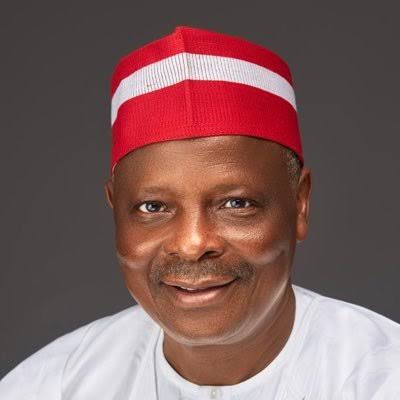
On March 29, 2026, one of northern Nigeria’s most influential political figures, Rabiu Musa Kwankwaso, formally resigned from the New Nigeria People’s Party (NNPP) — the platform that propelled him to national prominence and served as his vehicle in the 2023 presidential race.
In a concise statement released on Sunday, the former Kano State governor framed his departure as a response to “shifting political dynamics,” saying the current trajectory of national politics compelled him to seek “a platform that offers the best opportunity to effectively change the nation.”
“There was no easy choice in this decision,” Kwankwaso added, thanking party organs from the national leadership down to grassroots supporters for their cooperation over the years.
Advertisement
Kwankwaso’s exit from the NNPP is significant not only as an individual political transition but also as an indicator of wider shifts within Nigeria’s opposition landscape.
The NNPP emerged in national politics only in the last election cycle, raising hopes as an alternative to Nigeria’s two dominant parties. But internal fractures, leadership disputes, and defections at multiple levels have challenged its coherence.
By relinquishing his leadership role, Kwankwaso — a seasoned politician with decades of experience, a former defence minister, two‑term governor, and 2023 presidential candidate — is implicitly acknowledging that the NNPP may no longer be the best vehicle for advancing his political vision or forging effective alliances ahead of 2027.
The mention of seeking another platform suggests possible negotiations with other opposition groups or parties — a move that could influence coalition dynamics and voting blocs in the north, particularly Kano State, which remains a crucial swing region.
Kwankwaso’s political journey has been defined by strategic shifts. Over the years, he has moved between parties — from the ANPP to PDP, then to NNPP — often in pursuit of broader coalitions and national influence.
Advertisement
This latest exit continues that pattern, but in a more consequential context: with Nigeria’s next general elections still more than a year away and with rival parties actively courting support in the north, Kwankwaso’s next alignment will be closely watched by both power brokers and grassroots voters.
Kwankwaso’s next move — whether he joins another platform such as the African Democratic Congress (ADC) or forges new alliances — is expected to send ripple effects across Nigeria’s political spectrum. For the NNPP, this resignation may prompt introspection or reorganization, but it undeniably removes one of the party’s most recognizable figures just as 2027 election strategies are taking shape.
You must log in to comment or reply.
Comments