
This could change everything — and here’s why.
Most people think this trial is about one young woman. It’s not. It’s about whether Big Tech deliberately engineered addiction into platforms used by millions of children — and whether CEOs like Mark Zuckerberg can be held personally accountable.
What happens in that Los Angeles courtroom may redefine the future of social media.
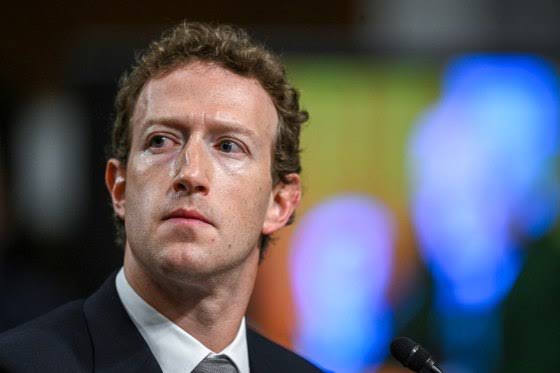
Today in Los Angeles, Meta CEO Mark Zuckerberg walked into court not as a tech visionary — but as a central witness in one of the most consequential tech trials in modern history.
The case centers on allegations that Instagram and other platforms were deliberately designed to hook young users, contributing to mental health issues including anxiety, depression, and addictive behavior.
This California trial is the first major case expected to set precedent for thousands of lawsuits filed by American families against social media giants.
But here’s the bigger question…
If a jury finds that Instagram was intentionally designed to be addictive, what does that mean for the entire social media industry?
What the Trial Is Really About
At the heart of the case is a 20-year-old California woman who has reportedly been a heavy social media user since childhood. Her legal team argues that platforms like Instagram and YouTube knowingly built systems that:
• Exploit dopamine feedback loops
•Use algorithmic reinforcement to maximize screen time
•Deploy infinite scroll and push notifications to sustain engagement
• Target young users during formative psychological stages
Meta and other tech companies deny wrongdoing and argue that:
Advertisement
• Their platforms include safety features and parental tools
• Mental health issues are complex and cannot be solely attributed to social media
• Users ultimately control their screen time
Why Zuckerberg’s Testimony Is a Turning Point
This is the first time the Meta founder will directly address a jury about platform safety.
That matters.
For years, Zuckerberg has testified before Congress about privacy, misinformation, and election interference. But this case hits closer to home — the mental health of children.
During jury selection, Meta’s legal team reportedly worked to exclude potential jurors perceived as hostile toward Zuckerberg. That alone shows how much is at stake.
If the jury sides with the plaintiff, the consequences could include:
• Massive financial penalties
• Mandatory platform design changes
• A legal standard redefining “addictive design”
A wave of copycat lawsuits nationwide
What happens next may surprise you.
The Legal Domino Effect
This trial is being closely watched by:
• Lawmakers pushing stricter tech regulation
• Parents’ advocacy groups
• Tech investors
• Silicon Valley executives
If courts establish that platforms were intentionally engineered for addiction, regulators could move toward:
• Algorithm transparency laws
• Limits on features targeting minors
• Stricter age-verification policies
• Warning labels similar to tobacco or alcohol
That would fundamentally reshape social media business models, which depend heavily on engagement-driven advertising revenue.
The Business Risk for Meta
Meta generates billions annually from advertising tied directly to user engagement.
Advertisement
If engagement-driving features are legally labeled harmful, the financial impact could be significant.
Investors will be watching closely. So will policymakers.
And perhaps most importantly — parents.
3 Key Things You Should Know:
• This is the first case likely to set legal precedent for thousands of similar lawsuits.
• Zuckerberg is testifying personally — raising the stakes dramatically.
• The verdict could redefine how social media platforms design their products for young users.
Why This Matters Globally — Including Nigeria
While this case is happening in California, the ripple effects could be worldwide.
Countries like Nigeria, where youth social media use is rapidly expanding, could see:
• New digital safety regulations
• Increased scrutiny on tech platforms
• Greater awareness of screen-time and mental health risks
The outcome may influence how governments regulate tech far beyond the United States.
You must log in to comment or reply.
Comments