
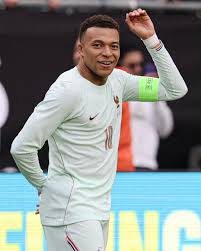
Kylian Mbappé’s strike against Brazil in a 2–1 friendly victory at Gillette Stadium brought him within one goal of Olivier Giroud’s France scoring record. Beyond national history, the 2026 World Cup offers a stage where global records—including Miroslav Klose’s all-time World Cup goals—could fall, setting the scene for a historic tournament.
On March 26, 2026, France defeated Brazil in a high-profile friendly in Foxborough, Massachusetts, with Mbappé scoring in the 32nd minute off a precise Ousmane Dembélé pass. Despite being reduced to ten men after Dayot Upamecano’s red card, France maintained control, doubling the lead through Hugo Ekitiké before the final whistle. Mbappé, returning from a knee injury, nearly added two more but was substituted in the 66th minute.
However, a closer look shows that this match is more than a friendly win. Mbappé’s 56th international goal leaves him on the brink of surpassing Giroud’s national record, while his next World Cup goal could equal Just Fontaine’s 13-goal tally from 1958, a mark that has stood for nearly seven decades. According to Football365, the expanded 48-team 2026 World Cup increases game totals from 64 to 104, making tournament-wide records—from total goals to cards—highly attainable.
Advertisement
While outlets like BBC Sport emphasized Mbappé’s personal milestone, few highlighted the broader historical context: the 2026 tournament could see the most goals ever scored, potential red and yellow card records broken, and players like Lionel Messi and Cristiano Ronaldo chasing multi-generational milestones. That framing leaves out how these achievements could shape football economics and national morale, especially for countries like France, Argentina, and Portugal, where player legacies drive sponsorships, youth development, and global visibility.
Beyond statistics, the deeper issue is player momentum and legacy. Mbappé’s fitness, sharpness, and France’s tactical depth make him a prime candidate to break multiple records, while the tournament’s expanded structure allows for higher scoring games and possible historic individual feats. Historical parallels—like Hungary’s 27 goals in 1954 or Muller’s 10 in 1970—underline that exceptional performances often coincide with structural advantages, a factor that could favor France and its stars.
You must log in to comment or reply.
Comments