
Nigeria’s fragile political climate is showing early signs of strain as sharp exchanges between key figures expose deeper battles over history, legitimacy, and the road to 2027. What appears as a war of words is quickly evolving into a broader contest over who controls the narrative of Nigeria’s democratic struggle.
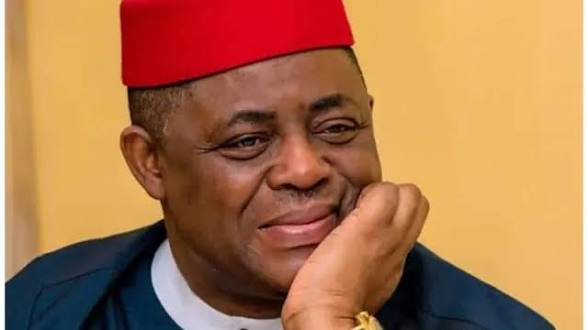
On April 3, 2026, former Aviation Minister Femi Fani-Kayode publicly condemned comments made by Labour Party’s 2023 presidential candidate Peter Obi. Obi had earlier suggested that some individuals who once fought military rule now govern in ways “worse” than the late Head of State Sani Abacha. The remarks, posted on X, did not name individuals but referenced the legacy of pro-democracy activists linked to NADECO.
Fani-Kayode’s response was swift and uncompromising, accusing Obi of insulting the memory of those who fought for democracy and declaring that Obi would “never” become Nigeria’s president. The exchange has since amplified political tensions already simmering beneath the surface.
Advertisement
However, a closer look shows this confrontation is less about personal attacks and more about competing interpretations of Nigeria’s democratic history. While Punch framed the story primarily as a direct clash between two political figures, other platforms placed stronger emphasis on the ideological divide—particularly the question of whether today’s political actors have upheld or betrayed the values of the June 12 struggle. Some reports highlighted Fani-Kayode’s defense of NADECO’s legacy, while others focused more on Obi’s critique of governance failures among former activists.
That framing leaves out a critical layer: this dispute is unfolding against the backdrop of intensifying opposition realignments ahead of the 2027 general elections. Obi’s remarks, though broad, resonate with a growing sentiment among younger voters who question whether past democratic credentials still translate into present accountability. Fani-Kayode’s reaction, in contrast, reflects a broader effort among political elites to protect historical narratives that legitimize their current influence.
What makes this more complex is the symbolic weight of NADECO in Nigeria’s political identity. Formed during military rule, the group represents resistance, sacrifice, and the eventual return to civilian governance in 1999. By invoking comparisons to Sani Abacha—widely associated with repression—Obi’s comments strike at the moral authority of those who claim that legacy. Yet the deeper issue is whether that legacy has been sustained or diluted over time.
Historically, Nigeria has seen similar cycles where former reformists face criticism after assuming power. From post-military administrations in the early 2000s to more recent democratic transitions, public trust has often eroded when expectations of reform clash with governance realities. Current political trends suggest a widening gap between political rhetoric and lived experience, particularly among urban voters in Lagos, Abuja, and emerging digital communities where political discourse is increasingly shaped.
Advertisement
Ultimately, the stakes go beyond sharp exchanges and political rhetoric. What matters is how moments like this begin to influence alliances, shift voter sentiment, and frame the conversation ahead of 2027. If arguments about history deepen into scrutiny of governance and accountability, they could reshape the tone of future campaigns. In the end, what political leaders choose to stand by—or sidestep—may define not only their public image, but their chances at the ballot box.
You must log in to comment or reply.
Comments