
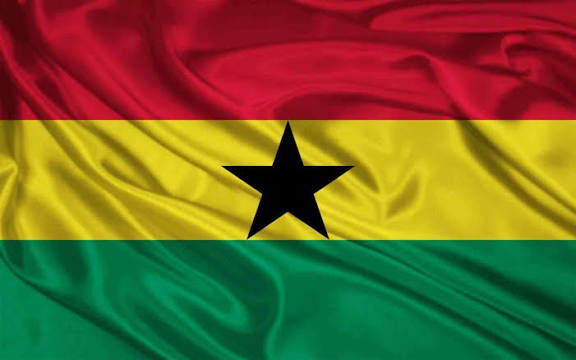
Nigeria has extended formal congratulations to Ghana as the country marks 69 years of independence, a milestone that underscores one of West Africa’s most influential bilateral relationships. Beyond diplomatic courtesy, the message reflects the enduring political, economic, and cultural ties shaping cooperation between the two regional powers.
Nigeria Marks Ghana’s 69th Independence Anniversary
Nigeria’s Minister of Foreign Affairs, Ambassador Yusuf Tuggar, has congratulated the government and people of Ghana as the country celebrates its 69th Independence Anniversary on March 6.
In a statement delivered to Ghana’s Foreign Affairs Minister, Samuel Okudzeto Ablakwa, Tuggar described Ghana’s independence from colonial rule in 1957 as a turning point in Africa’s liberation movement. According to the Nigerian government, the event inspired other African nations—including Nigeria—to pursue sovereignty and democratic self-determination.
Advertisement
Tuggar said Nigeria joins Ghana in commemorating what he described as a defining chapter in African political history, praising Ghana’s contributions to democratic governance, regional integration, and stability across the continent.
Both countries have maintained close diplomatic and cultural relations for decades, rooted in shared colonial histories, regional cooperation, and economic exchange.
Nigeria noted that the relationship has deepened through collaboration in trade, education, energy, defence cooperation, migration management, and cultural exchange. The two countries also work closely through multilateral institutions such as ECOWAS, the African Union, and the United Nations to address regional challenges.
However, a closer look shows that many reports focus mainly on the congratulatory message itself while overlooking the broader strategic significance of the relationship. Nigeria and Ghana together represent two of the most influential economies in West Africa, and their cooperation often shapes policy direction within ECOWAS, particularly on security coordination, migration policy, and regional trade integration.
Ghana’s independence in 1957 remains one of the most symbolic events in African history. It was the first sub-Saharan African country to gain independence from colonial rule, triggering a wave of liberation movements across the continent.
Today, both Ghana and Nigeria are frequently viewed as anchors of democratic governance in the region, regularly participating in peacekeeping missions, conflict mediation, and diplomatic initiatives across West Africa.
Advertisement
This year’s independence celebration carries the theme “Building Prosperity, Restoring Hope,” reflecting Ghana’s ongoing focus on economic recovery and institutional strengthening.
The Nigeria–Ghana relationship extends beyond diplomacy into daily life. Millions of citizens from both countries live, study, and work across each other’s borders under regional free movement agreements.
Yet the partnership has occasionally faced tensions—from trade disputes to migration issues—making diplomatic reaffirmations like this one an important signal of continued cooperation.
You must log in to comment or reply.
Comments