
As Nigeria grapples with persistent insecurity and economic pressures, the Federal Government has taken an uncharacteristically forceful public stance against claims that the nation is collapsing. Beyond political positioning, the dispute signals deeper fractures in public trust and growing anxieties about governance, security, and economic resilience.
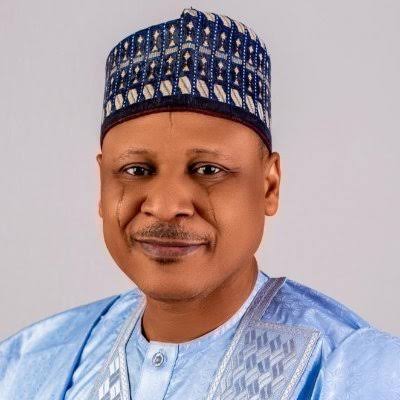
On April 8, 2026 in Abuja, the Ministry of Information and National Orientation issued a firm rebuttal to assertions by a coalition of civil society organisations (CSOs) that Nigeria is approaching systemic collapse. Speaking at the 81st General Assembly and 23rd Annual Meeting of the Broadcasting Organisation of Nigeria, Information Minister Mohammed Idris rejected what he termed “pessimistic narratives about the nation’s future.”
“I want to unequivocally refute the insinuation that Nigeria is on the brink,” Idris said, emphasising ongoing government efforts to address insecurity and economic disruptions.
The minister cited intensified military operations and strengthened intelligence sharing that, he said, are “gradually weakening criminal networks and restoring stability in affected areas.” He pointed to what he described as declines in large‑scale insurgent control and the rollout of enhanced rapid‑response mechanisms across the country to safeguard lives and property.
Advertisement
On the economy, Idris highlighted improvements in foreign reserves, expanding revenue streams in both oil and non‑oil sectors, and reforms aimed at enhancing transparency and fiscal discipline. He noted Nigeria’s reclassification as a Frontier Market by FTSE Russell as evidence of investor confidence returning to the market.
“These decisions, though difficult, are stabilising public finances and creating a more transparent economic environment,” Idris said.
This exchange — official optimism versus civil society alarm — isn’t simply about competing narratives. It reflects deepening fault lines in public confidence and evolving interpretations of Nigeria’s security and economic trajectory.
Security Reality:
Despite high‑profile military operations, violence persists in several regions. Reports of kidnappings, banditry, and communal clashes remain frequent in parts of the North and Central belt. Official claims of diminished insurgent territorial control may not fully reflect the lived experience of communities where attacks continue.
Economic Tensions:
Nigeria’s economy shows mixed signals. On one hand, the Frontier Market reclassification and some macroeconomic metrics suggest improved liquidity and investor interest. On the other, inflation — particularly food inflation — remains a pressing burden on households. Nigeria’s GDP growth, while positive in forecasts, has not consistently translated into job creation or reduced cost‑of‑living pressures for the average citizen.
This conversation comes as Nigeria prepares for another national election cycle. Political stakeholders often contest narratives about national performance: portraying stability reassures investors and allies, while highlighting crisis can mobilise political opposition and demand accountability.
Advertisement
The minister’s appeal to broadcasters to “inform, educate, and unite” reflects not just a media strategy but a political imperative — steering public discourse away from alarm towards stability.
The real test now is whether government claims of institutional resilience will translate into tangible improvements in security on the ground, better economic outcomes for households, and renewed confidence among Nigerians across regions and classes.
As election year dynamics intensify, competing narratives about national stability could shape policy debates, investor decisions, and civic engagement. What authorities do next — from expanding jobs to protecting vulnerable communities — will influence whether public trust strengthens or further erodes.
You must log in to comment or reply.
Comments