
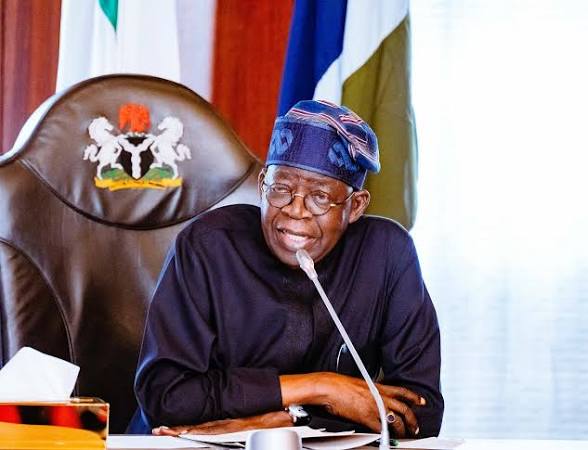
In Akure on Sunday, a coalition of young All Progressives Congress activists laid out an ambitious plan to deliver more than one million votes for President Bola Tinubu in the 2027 presidential election. Behind the rhetoric of support lies a broader, less‑reported story about grassroots political organisation, youth engagement, and the evolving dynamics of party loyalty in southwestern Nigeria.
On March 29, 2026, leaders of the newly formed Ondo Youth Alliance for Tinubu convened in Akure, the Ondo State capital, to unveil a strategic youth mobilisation campaign aimed at galvanising support for President Bola Tinubu’s re‑election bid. Director‑General Thalis Apalowo said the group is targeting over one million votes statewide and intends to campaign across both urban and rural wards.
Apalowo highlighted government programmes such as the Nigeria Education Loan Fund — reportedly benefiting more than 510,000 students — and credit initiatives like CreditCorp as proof of the administration’s youth‑friendly policies. He also emphasised the inclusion of two Ondo ministers in Tinubu’s cabinet as evidence of regional influence and representation.
Advertisement
But the deeper dilemma lies in reconciling political support with economic and social realities. Nigeria is grappling with inflation, unemployment, and dwindling confidence among younger citizens. Promises of empowerment — whether through loans or industry initiatives — must be evaluated against measurable outcomes like job creation, income growth, and business sustainability. Mobilisation rhetoric alone may not bridge that gap unless it aligns with tangible improvements in everyday life.
Historically, youth blocs in Nigerian elections have both influenced outcomes and frustrated campaign teams when expectations weren’t met. For instance, in the 2019 general elections, youth mobilisation took centre stage but produced uneven turnout. Current demographic data suggests that political campaigns must now compete against economic anxieties — rising living costs, limited formal employment opportunities, and skepticism about political promises.
Moreover, the APC has faced defections and internal tensions across the South‑West in recent election cycles. The inclusion of Minister of Interior Olubunmi Tunji‑Ojo and Minister of Youth Development Ayodele Olawande from Ondo State may strengthen local ties, but translating this into measurable voter swings requires more than symbolic appointments.
You must log in to comment or reply.
Comments