
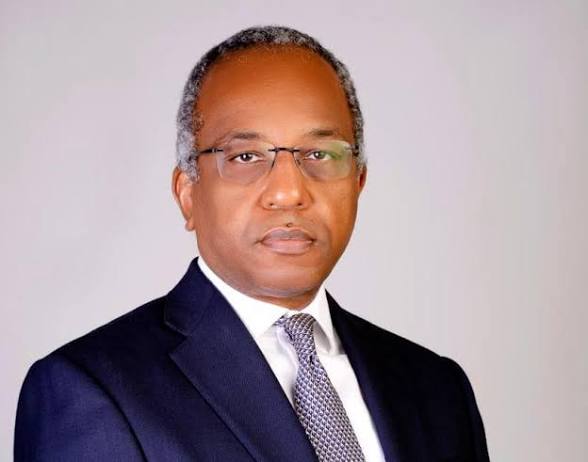
A fresh resignation from within Nigeria’s opposition is adding to signs of strain ahead of the next election cycle. In Lagos, the exit of a prominent political figure underscores how internal disputes could reshape alliances long before voters head to the polls.
On March 29, former Lagos governorship candidate Funso Doherty announced his resignation from the Peoples Democratic Party, citing unresolved internal crises and a controversial court ruling affecting the party’s leadership structure. His decision, shared publicly via his X account, followed weeks of legal uncertainty surrounding the PDP’s 2025 convention, which was reportedly nullified—intensifying factional divisions within the party.
However, a closer look shows that while Punch Newspapers focused on Doherty’s resignation and his sharp criticism of party leadership, the story has not yet been widely amplified by other major outlets such as Premium Times or TheCable. That limited coverage reflects both the evolving nature of the story and Doherty’s position within Lagos politics—significant, but not yet at the level that commands immediate nationwide attention. Even so, the absence of broader reporting leaves out an important layer: this resignation is not isolated, but part of a growing pattern of uncertainty within opposition ranks.
Advertisement
Beyond the official statement, the deeper issue is how internal fractures within the PDP are beginning to affect its strategic positioning ahead of 2027. Doherty’s claim that recent developments have effectively empowered factions sympathetic to the ruling All Progressives Congress may be politically charged, but it reflects a broader concern among opposition figures about coherence and direction. That framing leaves out a critical implication—disunity within the PDP could weaken its ability to consolidate votes in key battleground states like Lagos, where opposition success has historically depended on coalition-building rather than fragmented contests.
What makes this more complex is the timing. Nigeria’s political landscape is already witnessing early realignments, with defections, alliance talks, and quiet negotiations shaping the road to 2027. Lagos, as both an economic hub and political stronghold, remains central to these calculations. For small businesses and residents, political instability at this level often translates into policy uncertainty—particularly around taxation, infrastructure, and urban development priorities that directly affect economic activity.
Historically, similar internal crises have reshaped Nigeria’s opposition dynamics. In the lead-up to the 2015 elections, fragmentation within major parties led to the formation of broader coalitions that ultimately altered the balance of power. Current trends suggest a comparable moment may be emerging. Data from previous election cycles shows that opposition unity significantly increases competitiveness in urban states, while division tends to dilute voter impact—an outcome that could again favor incumbents if unresolved.
Yet the deeper concern is not just electoral arithmetic, but credibility. For many voters already facing rising living costs and economic pressure, political parties struggling with internal cohesion risk appearing disconnected from everyday realities. Doherty’s emphasis on opposition unity speaks to this gap, but also highlights the challenge of achieving it in a climate defined by legal battles and competing interests.
Advertisement
The key question now is whether the PDP can stabilize its leadership structure and rebuild internal trust before the momentum of defections accelerates. What happens next will shape not only the party’s electoral prospects, but also the broader direction of Nigeria’s opposition politics in the years ahead.
You must log in to comment or reply.
Comments