
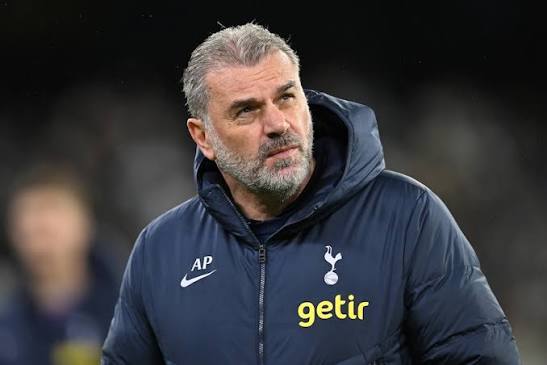
For a coach once celebrated for transforming Tottenham Hotspur into European champions, Ange Postecoglou’s recent reflections carry an unexpected weight: watching two clubs that cut him loose now struggle for survival in the Premier League.
On a recent Australian sports broadcast, Postecoglou — the Australian manager who lifted Spurs’ first major trophy in 17 years in 2025 — admitted he’s “not done yet” with top‑level football. But his tone betrayed something deeper than career ambition. What was once confidence now carries a subtle tension: the fear that ambition without the right foundations can quickly turn success into instability.
Postecoglou’s comments come as both Tottenham and Nottingham Forest — the latter where his second brief and turbulent managerial stint ended in October — find themselves mired in a relegation battle. Tottenham, just above the drop zone after a 3–0 defeat to Forest, now face a fight few expected at this stage of the season. Goal and Evening Standard reported his candid view that Spurs are in “a hell of a fight,” underscoring the undeniable shift from his triumphant finale to this gritty survival context. The broader consensus among leading outlets is clear: Postecoglou remains respected, but the narrative around his legacy has already begun evolving in real time.
Advertisement
Yet much of the reporting so far has missed the full implication of what his reflection reveals about elite football culture. Postecoglou didn’t just say he wants to keep coaching; he emphasized the importance of alignment — between his vision, club leadership, and player identity. That point goes beyond Tottenham or Forest’s current predicament and speaks to a deeper pattern in modern European football: tactical innovation can only carry a club so far without strategic patience from owners and coherent long‑term planning.
This matters on both psychological and economic fronts. Tottenham’s slide into a relegation fight threatens not just sporting pride but financial stability; Premier League survival has massive revenue implications. Meanwhile, Postecoglou’s insistence that his next job must match his philosophy alerts clubs eager for quick fixes that past success doesn’t guarantee future harmony.
The challenge now is not just whether Spurs can climb out of danger. It’s whether this season becomes a cautionary tale about the cost of impatience at elite clubs and whether Postecoglou’s next opportunity — wherever it comes — will allow him to build rather than rebuild.
You must log in to comment or reply.
Comments