
This could quietly reshape Nigeria’s 2027 elections — and most people are missing the real issue.
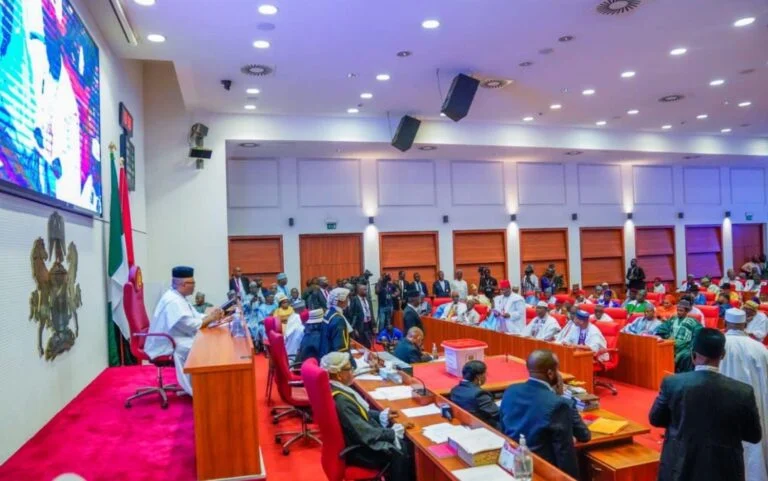
The Nigerian Senate has reduced the mandatory election notice period by 60 days, a move officially linked to Ramadan. But beyond religious sensitivity, this decision could significantly alter the political timetable — and the strategy of every major party.
What Exactly Did the Senate Change?
On February 17, 2026, the Nigerian Senate amended Clause 28 of the Electoral Act Amendment Bill, reducing the mandatory notice period for elections from 360 days to 300 days.
Under the revised provision, the Independent National Electoral Commission (INEC) must now publish election notices at least 300 days before Election Day — instead of one full year.
This adjustment allows INEC to legally schedule the 2027 presidential and National Assembly elections between late December 2026 and January 2027.
But here’s the bigger question: Why now?
Ramadan and the Political Calendar
Senate Leader Opeyemi Bamidele explained that maintaining the 360-day requirement would likely push the 2027 elections into Ramadan.
Ramadan, observed by millions of Nigerian Muslims, involves fasting from dawn to sunset. Lawmakers argued that holding elections during that period could:
• Affect voter turnout
Advertisement
• Complicate logistics and security operations
• Impact stakeholder participation
• Raise concerns about inclusivity and credibility
The Senate says this amendment is a preventive measure — not a political maneuver.
Yet critics argue that electoral timelines are not just administrative details; they shape campaign strategies, alliances, and voter mobilization patterns.
3 Key Things You Should Know:
1. INEC Gains Greater Flexibility
With a 300-day notice requirement, INEC can move elections earlier without violating the law. This reduces the risk of religious overlap but also compresses political preparation time.
2. The 2027 Election Timeline May Shift Earlier
The earlier timetable could affect party primaries, campaign financing cycles, and internal political realignments.
3. Technical Corrections Go Beyond Clause 28
The Senate also addressed inconsistencies in multiple clauses of the bill, including cross-references and numbering errors — signaling a broader review of the Electoral Act framework.
The Broader Debate: Reform or Tactical Adjustment?
Nigeria’s electoral process has been under intense scrutiny since the 2023 general elections, with debates around:
• Electronic transmission of results
• Transparency mechanisms
• Judicial election disputes
• INEC’s operational independence
This latest amendment adds another layer to the ongoing reform conversation.
Supporters say it demonstrates responsiveness to religious sensitivity and logistical realities.
Skeptics ask: Could compressed timelines favor incumbents or well-organized parties?
What happens next may surprise you.
Advertisement
If the House of Representatives concurs and the President signs the bill into law, Nigeria’s 2027 electoral map could quietly begin shifting months ahead of public expectation.
Why This Matters for 2027
Elections are not just about voting day. They are about preparation cycles.
Reducing the notice period by 60 days may:
• Shorten campaign windows
• Accelerate party primaries
• Reshape fundraising strategies
Influence political negotiations
In highly competitive democracies, timing is power.
And in Nigeria’s political landscape, power shifts rarely happen accidentally.
You must log in to comment or reply.
Comments