
Nigeria’s fiscal direction shifted rapidly in Abuja on Tuesday as lawmakers approved a $6 billion external borrowing request just hours after it was formally presented. The speed of the decision has intensified scrutiny over the country’s debt trajectory and the long-term implications for economic stability.
Beyond the immediate approval, the move underscores a deeper tension between urgent government financing needs and growing concerns about how rising debt could shape Nigeria’s economic future.
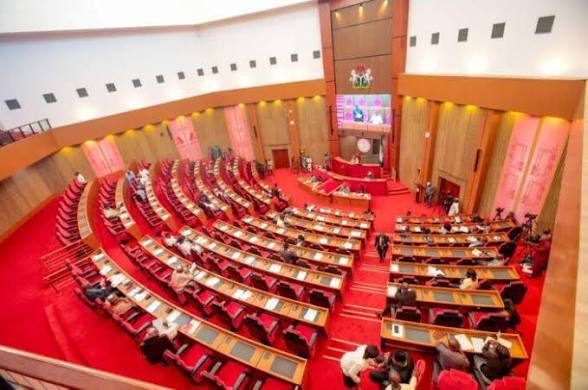
The Nigerian Senate on March 31, 2026, granted President Bola Ahmed Tinubu approval to secure external loans totaling $6 billion. The decision followed the reading of two separate letters during plenary by Senate President Godswill Akpabio, after which the upper chamber moved swiftly to deliberate and adopt the report of its Committee on Local and Foreign Debts chaired by Aliyu Wamakko.
Advertisement
The approved package includes a $5 billion facility from First Abu Dhabi Bank designed to support Nigeria’s budget deficit and broader fiscal obligations, alongside a $1 billion loan arranged through Citibank London, targeted at the rehabilitation of critical port infrastructure such as the Lagos Port Complex and Tin Can Island Port — key gateways for Nigeria’s imports and non-oil trade.
However, a closer look shows that while most platforms focused on the speed of approval and the loan structure, they paid less attention to the broader economic trade-offs. Reports from outlets like Punch emphasized legislative procedure, while others highlighted infrastructure benefits. Yet the deeper question — how this borrowing fits into Nigeria’s already expanding debt profile — remains largely underexplored.
The swift approval of the $6 billion loan request raises fresh concerns about Nigeria’s rising debt profile at a time of economic strain. While the Federal Government argues the funds will support budget stability and critical infrastructure like ports, economists warn that increased external borrowing could place additional pressure on future revenues, especially if repayment obligations rise amid currency volatility. For businesses and consumers, the long-term impact may depend on whether these investments translate into lower costs, improved trade efficiency, and broader economic growth.
What makes this more complex is how directly this decision connects to everyday economic realities. In commercial hubs like Lagos, where port congestion contributes to higher import costs, successful rehabilitation could reduce logistics bottlenecks and ease inflationary pressures on goods. Yet if implementation delays persist — a recurring issue in past infrastructure projects — the expected benefits may lag behind the financial burden of repayment.
That framing leaves out an important historical pattern. Nigeria has repeatedly turned to external borrowing during periods of fiscal stress, often to bridge revenue gaps or finance infrastructure. While such loans can stimulate growth when effectively deployed, they also increase exposure to exchange rate risks, especially in a volatile global market where debt servicing costs can escalate quickly.
Advertisement
Current trends suggest Nigeria’s public debt has expanded significantly in recent years, driven by subsidy removal adjustments, revenue shortfalls, and currency fluctuations. This context makes every new borrowing decision more consequential, not just for government accounts but for long-term economic resilience.
The real situation now is not just the approval itself, but how effectively the funds are deployed and managed. If the loans translate into tangible improvements in trade infrastructure and fiscal stability, they could support growth and ease pressure on businesses. If not, the country risks deepening its dependence on external financing with limited returns. What authorities do next will determine whether this borrowing cycle becomes a foundation for economic recovery or a source of prolonged fiscal strain.
You must log in to comment or reply.
Comments