
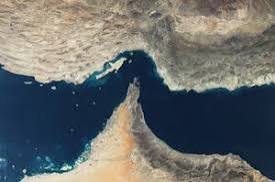
The reopening of the Strait of Hormuz is already easing pressure on global markets. But beneath the surface, the decision reflects a fragile geopolitical pause rather than a lasting resolution in Middle East tensions.
On April 17, 2026, Iran announced that the Strait of Hormuz — a critical passage for nearly a fifth of the world’s oil supply — has been reopened to commercial shipping. The declaration came from Foreign Minister Seyed Abbas Araghchi, who linked the move directly to an ongoing 10-day ceasefire tied to hostilities involving Israel and Lebanon.
According to Iranian authorities, vessels can now pass through the waterway, but only via coordinated routes overseen by state maritime agencies. Shortly after the announcement, global oil prices fell sharply, dropping by more than 10% as supply fears temporarily eased.
U.S. President Donald Trump welcomed the move publicly, signaling cautious optimism from Washington.
Advertisement
Beyond the official statement, the reopening is less about free navigation and more about managed de-escalation under pressure.
Iran’s insistence on coordinated shipping routes indicates that control over the strait remains firmly intact. In effect, the waterway is open — but not neutral. That distinction matters for global shipping companies, insurers, and energy markets, all of which factor risk beyond mere accessibility.
What makes this more complex is the timing. The move coincides with a short-term ceasefire between Israel and Lebanon, suggesting that Iran’s decision is tactical — aimed at stabilizing markets and reducing immediate military tension rather than signaling a broader diplomatic breakthrough.
For countries like Nigeria, the implications are immediate. A drop in global oil prices directly affects national revenue, given the country’s dependence on crude exports. While lower prices may ease global inflation, they can tighten fiscal space for oil-dependent economies, potentially influencing exchange rates, government spending, and fuel subsidy dynamics.
The Strait of Hormuz has long been a geopolitical flashpoint. Roughly 17–20 million barrels of oil pass through it daily, making it one of the most sensitive chokepoints in global trade.
In past crises — including tensions in 2019 and earlier regional confrontations — even threats to the strait caused oil prices to spike dramatically. The current situation mirrors those patterns but in reverse: a temporary easing has triggered a rapid price decline.
Advertisement
Yet, historical precedent shows that such stability is often short-lived. Ceasefires in the region have frequently broken down, and maritime disruptions can resume with little warning.
The reopening of the Strait of Hormuz may have calmed markets for now, but it does not resolve the underlying conflict dynamics shaping the region. The real test lies in whether the ceasefire holds — and whether controlled access can evolve into sustained stability.
For global economies and oil-dependent nations alike, what happens next will determine whether this moment marks the beginning of de-escalation or just another pause in a recurring cycle of disruption.
You must log in to comment or reply.
Comments