
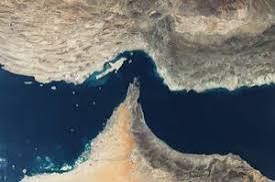
A growing standoff in the Strait of Hormuz is pushing global powers toward coordinated security planning, with France and the United Kingdom rallying dozens of countries for a post-conflict mission. Beyond diplomacy, the disruption is already rippling through oil markets—raising fresh concerns for fuel prices and economic stability in Nigeria.
On Friday, France and the United Kingdom convened a strategic meeting involving about 40 countries to discuss restoring safe navigation in the Strait of Hormuz, one of the world’s most critical oil transit routes.
The talks follow a sharp escalation that began on February 28, when U.S.-Israeli airstrikes triggered Iran’s move to restrict access to the strait. The United States subsequently imposed a blockade targeting vessels linked to Iranian ports, intensifying tensions and disrupting maritime activity.
Diplomatic sources indicate the proposed multinational mission would be defensive in nature—focusing on mine clearance, naval escorts, and intelligence coordination—but only deployed after a ceasefire or de-escalation. Meanwhile, more than 20,000 seafarers and numerous commercial vessels remain stranded, highlighting the scale of disruption already unfolding.
International coverage, particularly from Reuters, places strong emphasis on the strategic disagreement between the United States and its European allies, with Washington pushing for immediate enforcement while Europe advocates restraint.
Other global outlets frame the development as part of a longer diplomatic process, noting that similar consultations have been ongoing for weeks, rather than a sudden policy shift.
Advertisement
Punch’s report accurately captures the core developments but leans toward a descriptive account. It gives less attention to the economic consequences already emerging, especially in energy pricing and global trade flows—an omission that becomes critical for countries closely tied to oil market volatility.
However, a closer look shows the crisis is evolving beyond a regional security issue into a global economic pressure point.
The Strait of Hormuz carries roughly a fifth of the world’s oil supply. Any sustained disruption—whether through direct conflict or precautionary shipping restrictions—immediately tightens global supply and drives price volatility.
For Nigeria, this creates a complicated scenario. Higher global oil prices can boost government revenue, but they also increase domestic fuel costs, transport fares, and production expenses for small businesses. In cities like Lagos and Port Harcourt, where fuel-dependent logistics drive daily commerce, even minor price shifts can trigger broader inflation.
What makes this more complex is Europe’s cautious approach. By resisting direct involvement in the U.S.-led blockade, countries like France and the UK are attempting to avoid escalation. Yet that restraint could slow coordinated intervention, leaving global markets exposed to prolonged uncertainty.
That framing leaves out another risk: shipping companies and insurers may independently limit operations in the region, even without formal closure. Such market-driven reactions have historically amplified crises, as seen during the 2019 tanker tensions, when insurance premiums surged and supply chains tightened despite limited physical disruption.
The Strait of Hormuz remains the most strategically sensitive oil chokepoint globally, linking the Persian Gulf to international markets. Historically, disruptions in the region have led to:
• Rapid oil price spikes
• Increased shipping and insurance costs
• Supply chain instability across Europe, Asia, and Africa
Advertisement
Nigeria’s economic structure makes it particularly vulnerable. While oil exports generate revenue, the country still depends heavily on imported refined fuel, meaning global price increases often translate directly into domestic inflation.
Recent economic patterns show that energy price shocks tend to:
Raise transport and food costs
Pressure exchange rates
Reduce purchasing power for households
You must log in to comment or reply.
Comments