
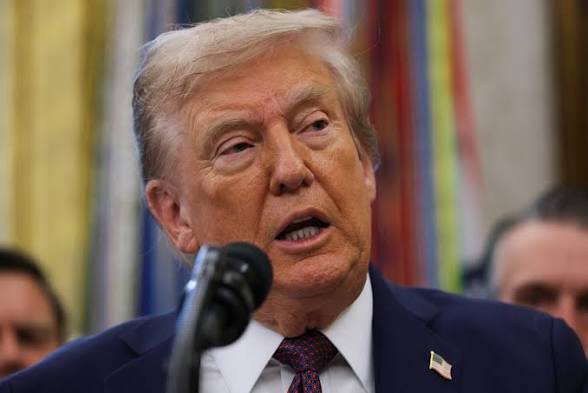
The escalating confrontation between the United States, Israel and Iran has entered a fragile diplomatic phase after Donald Trump delayed a threatened strike on Iranian energy infrastructure. The decision comes as global markets watch the Strait of Hormuz, a chokepoint that carries nearly a fifth of the world’s oil supply, where tensions have already disrupted shipping and pushed governments into emergency planning.
The latest shift came after Trump extended a deadline previously set for possible U.S. attacks on Iranian power plants and energy facilities. In a message posted Thursday, the U.S. president said the timeline had been pushed to April 6, citing ongoing negotiations with Iran.
The ultimatum had originally given Tehran 48 hours to reopen the Strait of Hormuz to oil tankers after tensions escalated following a series of military exchanges between Iran and Israel. Washington warned it could destroy Iranian energy assets if the vital shipping lane remained disrupted.
Advertisement
However, a closer look shows the extension reflects a cautious diplomatic balancing act rather than a sudden policy reversal. Trump insisted talks were “going very well,” while his envoy Steve Witkoff confirmed that the United States had delivered a detailed 15-point proposal to Tehran through Pakistani intermediaries. Iranian officials have reportedly responded with conditions that include war reparations and recognition of Iran’s authority over the strategic waterway.
Coverage of the development across international media reveals different emphasis. Reports by global outlets such as Reuters and Bloomberg focused on the geopolitical stakes surrounding the Strait of Hormuz and the risk of broader regional escalation. Punch’s version highlighted Trump’s decision to delay military action and the diplomatic exchanges between Washington and Tehran. What often receives less attention is the mounting economic pressure building far beyond the battlefield.
The deeper issue lies in how rapidly the conflict has begun to ripple through global energy markets. Since hostilities erupted in late February after U.S.-Israeli airstrikes on Iranian targets, oil supply concerns have intensified. Roughly 20 percent of the world’s crude exports normally pass through the Strait of Hormuz, making even temporary disruptions capable of triggering price spikes across international markets.
Those shocks are already forcing policy adjustments in several countries. Japan is considering temporarily relaxing restrictions on coal-fired power plants to stabilize electricity supply, while Vietnam has removed certain fuel taxes to cushion the impact of rising petrol prices. Institutions such as the World Bank have warned that prolonged damage to energy infrastructure could trigger a wider economic shock.
Beyond the official statements, the conflict also reveals a growing strategic strain on military resources in the region. Israeli opposition figures have warned that the war is stretching the country’s armed forces as fighting spreads across multiple fronts, including southern Lebanon where Hezbollah has launched rocket attacks into northern Israel.
Advertisement
Historical precedents show why the Strait of Hormuz remains one of the most dangerous geopolitical flashpoints in the global economy. Even brief tensions in the region during past crises have triggered sudden surges in oil prices and rattled financial markets worldwide.
The real situation now is whether the current negotiations can prevent the crisis from sliding toward a wider war that could destabilize energy supply lines across the Middle East. What Washington, Tehran and their allies decide in the coming days will determine whether the extension announced by Trump becomes the beginning of diplomacy—or merely a pause before deeper confrontation.
You must log in to comment or reply.
Comments