
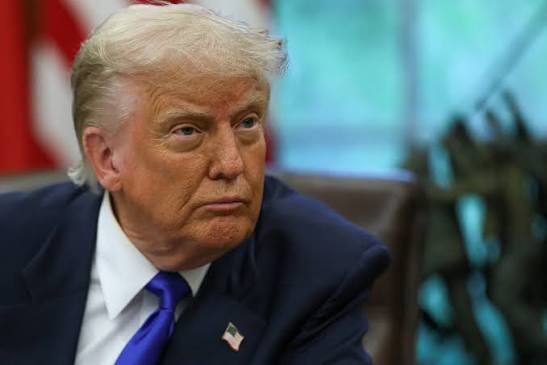
Fresh comments from US President Donald Trump have intensified international attention on the growing confrontation involving the United States, Iran, and Western allies, after he claimed Washington could hit all remaining Iranian military targets within two weeks if it chose to escalate operations further.
The remarks come at a delicate moment for global energy markets, Middle East stability, and international diplomacy, with ongoing negotiations reportedly underway to prevent the conflict from widening into a broader regional crisis.
Speaking in an interview aired Sunday with independent journalist Sharyl Attkisson, Trump said Iran had already suffered major military setbacks following recent US and Israeli strikes linked to the conflict that began on February 28.
According to Trump, the United States has already achieved a significant portion of its objectives.
“They’re militarily defeated. In their own minds, maybe they don’t know that. But I think they do,” Trump said.
He added:
Advertisement
“We have certain targets that we wanted, and we’ve done probably 70 percent of them, but we have other targets that we could conceivably hit.”
Trump further claimed that the US military could complete additional operations against Iran within “two more weeks” if necessary, describing any future action as merely “final touches.”
The US president also criticized NATO, calling the alliance a “paper tiger” and accusing Western allies of failing to meaningfully support Washington during the military campaign.
What makes Trump’s comments more consequential is the fragile global environment surrounding them.
Oil prices remain highly sensitive to instability in the Gulf region, where a significant share of global crude supply passes through strategic shipping routes. Even the perception of escalation between the US and Iran can push energy prices upward, placing additional pressure on inflation-hit economies.
For Nigeria, the implications are mixed but significant.
Higher crude oil prices can temporarily boost government revenue because Nigeria depends heavily on oil exports. Yet the deeper issue is that global instability also raises shipping, import, and fuel-related costs, potentially worsening inflation for households already struggling with high food and transport prices.
That framing leaves out a difficult contradiction facing many oil-producing countries: geopolitical crises may improve export earnings while simultaneously increasing domestic economic pressure.
Security analysts also note that Trump’s NATO criticism could widen concerns about Western unity at a time when global military alliances are already under strain from conflicts in Eastern Europe and the Middle East.
The latest rhetoric reflects a pattern that has shaped US-Iran relations for decades.
Advertisement
Tensions between both countries intensified after the US withdrew from the 2015 nuclear agreement during Trump’s first presidency. Since then, sanctions, proxy confrontations, cyber operations, and military threats have repeatedly pushed the region toward potential conflict.
The current crisis also arrives as several Gulf nations attempt to balance diplomatic engagement with Iran while maintaining security partnerships with Washington.
Historical precedent suggests that even limited confrontations between the US and Iran often produce broader economic consequences beyond the battlefield. Previous periods of escalation — including the 2019 Gulf tanker attacks and the killing of Iranian General Qasem Soleimani in 2020 — triggered sharp movements in oil prices and increased fears of regional instability.
Yet the bigger risk now is miscalculation.
Trump’s comments may strengthen his image among supporters who favor aggressive foreign policy positioning, but they also increase international scrutiny over whether military pressure could derail ongoing diplomatic efforts.
You must log in to comment or reply.
Comments