
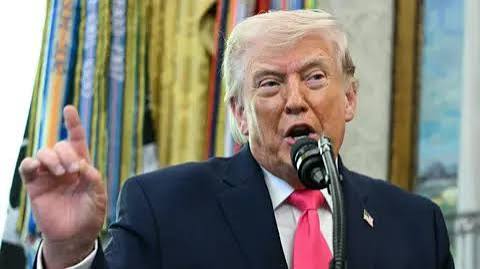
In a dramatic intensification of rhetoric and potential military action, former US President Donald Trump has openly suggested that the United States military has only just begun to target Iran’s infrastructure, signaling a deeper escalation in a conflict already sparking global concern. Beyond the bluster, his comments mark a critical moment in a war that threatens to reshape regional stability and international diplomacy.
Trump’s comments, posted on his Truth Social platform on Thursday, April 2, 2026, assert that the US military “hasn’t even started destroying what’s left in Iran,” and warns of future strikes against bridges and electrical power plants. This escalation follows a period of US and Israeli military actions against Iranian targets, amid a broader war context confirmed by global news agencies. According to Reuters reporting, Trump’s message carries a clear implication: Washington is considering actions that would further degrade Iran’s civilian and logistical infrastructure.
However, a closer look at how this story is reported across credible international platforms reveals important nuance that the original Daily Post report omits. While Daily Post highlights Trump’s threatening language, Reuters places these remarks within the unfolding military confrontation that has already seen significant strikes—including attacks on critical bridges and industrial sites—and notes international reactions to these developments. Another global outlet, Anadolu Ajansı, corroborates the Truth Social quote, adding that Trump’s rhetoric reflects a hardening stance from elements of the US political spectrum, but also situates it amid broader diplomatic tensions involving European and Gulf states. Reuters coverage also highlights strategic implications for global shipping lanes and diplomacy in the Middle East.
Advertisement
Yet the deeper issue is not simply a single social media post; it is a reflection of how escalatory language from political leaders can translate into real-world geopolitical risk. Beyond Trump’s words, the conflict between US-backed forces and Iran is already reshaping strategic calculations across the Middle East. Attacks on infrastructure such as bridges and power grids, which may seem tactical, carry profound consequences for civilian populations—disrupting essential services, economic activity, and humanitarian conditions. What makes this complex is how rhetoric feeds into military planning and diplomatic maneuvering: adversarial language from Washington can embolden hardline factions in Tehran, even as diplomats in Europe and Asia call for restraint to prevent a wider conflagration.
That framing also leaves out the broader context of international reaction. Reuters notes that beyond tactical concerns, US threats to Iranian infrastructure raise questions about international law, the protection of civilian infrastructure, and the risk of retaliatory strikes that could draw in neighboring states. Such concerns resonate deeply across global markets and energy sectors, especially considering Iran’s role in regional energy exports and strategic waterways. Data from recent weeks show volatility in oil prices and stock markets linked to fears of expanded conflict, underscoring how geopolitical instability in the Middle East can have ripple effects across global economic systems.
In the historical sweep of US‑Iran relations, this episode echoes earlier tensions—such as the 2018 withdrawal from the Iran nuclear deal and subsequent sanctions regime—but with sharper consequences. Then, like now, actions perceived as aggressive by either side fueled cycles of escalation. Today’s context, however, is different: military engagement and public threats suggest a possible shift away from containment and toward more direct confrontation.
You must log in to comment or reply.
Comments