
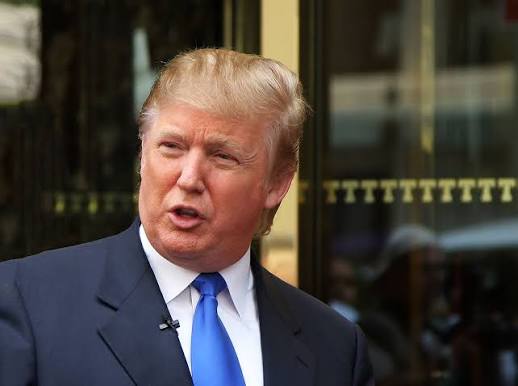
A sharp escalation in rhetoric between Washington and Tehran is reverberating far beyond diplomatic circles. Comments by U.S. President Donald Trump ahead of renewed talks have heightened fears of conflict at a time when global energy markets are already fragile. For oil-dependent economies like Nigeria, the stakes extend from geopolitics directly to everyday economic realities.
On April 20, 2026, Donald Trump warned that Iran could face devastating consequences if it refuses to sign a peace agreement with the United States. Speaking in media interviews and via his Truth Social platform, Trump said the country risked being “blown up” if negotiations failed.
He confirmed that fresh diplomatic talks would resume in Islamabad, with senior envoys expected to represent Washington. The remarks come amid heightened tensions in the Persian Gulf region, where strategic waterways and military positioning have intensified global attention.
Advertisement
However, a closer look shows the statement is less an isolated outburst and more part of a calculated negotiating posture. Strong language has long been used in high-stakes diplomacy to project leverage, particularly in conflicts involving nuclear capability and regional influence.
Yet the deeper issue is the growing risk of escalation. Iran has historically resisted external pressure, and confrontational messaging can harden positions rather than soften them. If talks in Islamabad fail, the fallout may extend beyond diplomacy into economic disruption and potential military confrontation.
For Nigeria, the implications are immediate. As a major oil exporter, the country benefits from rising crude prices during global instability.
However, that advantage is often offset by domestic realities—higher fuel costs, increased inflation, and pressure on household incomes. Businesses in cities like Lagos and Port Harcourt could face rising operating costs, while transport and food prices may climb.
What makes this more complex is the delicate balance between opportunity and risk. A surge in oil revenue could support government finances, but prolonged instability in the Middle East could disrupt global supply chains, affecting imports and exchange rates.
Advertisement
Tensions between the United States and Iran have persisted for decades, often centred on nuclear development and regional power dynamics. The 2015 nuclear agreement marked a temporary easing of tensions, but subsequent policy shifts reversed much of that progress.
Historically, periods of heightened rhetoric have coincided with spikes in global oil prices. Current market trends suggest that any disruption involving Iran—particularly around key shipping routes—could tighten supply and drive prices upward. For Nigeria, this pattern has repeatedly translated into mixed outcomes: increased national revenue alongside domestic economic strain.
You must log in to comment or reply.
Comments