
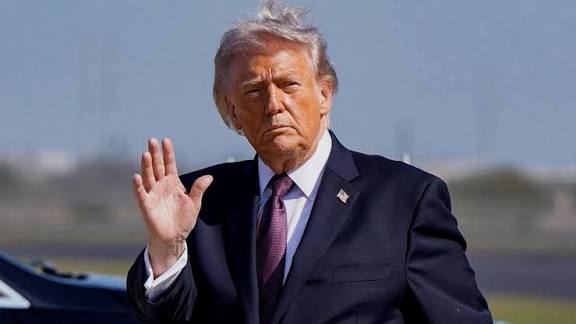
Confusion and escalation unfolded almost simultaneously on Saturday as Iranian officials moved to quash reports that Supreme Leader Ayatollah Ali Khamenei had been killed in US-Israeli strikes — while Donald Trump publicly urged Iranians to overthrow their government.
The competing narratives underscore how quickly military action is spilling into political messaging, raising the stakes far beyond the battlefield.
Iran’s Foreign Minister Abbas Aragchi confirmed to NBC News that Ayatollah Ali Khamenei remains alive, pushing back against Israeli media reports suggesting the 86-year-old leader may have been killed in coordinated military strikes.
Israeli outlets, including Channel 12, had cited unnamed sources indicating Khamenei could have been among high-level targets during early Saturday operations. Initial reports suggested strikes occurred near locations linked to Iran’s top leadership, with speculation that Khamenei had been relocated before the attacks.
The rapid spread of unverified reports highlights how modern conflict now unfolds in two arenas: military engagement and information warfare. While some regional platforms framed the rumours cautiously, others amplified the possibility of a leadership vacuum before confirmation emerged.
Advertisement
However, a closer look shows that the leadership survival narrative is just one layer of a much larger geopolitical shift.
As Tehran denied reports of Khamenei’s death, Donald Trump released a video urging Iranians to “take over your government” after US-Israeli operations conclude.
He further warned Iranian military forces to surrender their weapons, saying they would be protected if they complied.
Some platforms emphasized Trump’s rhetoric as a direct call for regime change, while others treated it primarily as campaign-style political messaging. Yet the deeper issue is that such statements move the conflict beyond deterrence or limited strikes and into open political confrontation.
Calls for internal uprising introduce volatility inside Iran itself, where recent years have already seen protest crackdowns, economic strain from sanctions, and regional security tensions. That framing shifts the conversation from targeted military objectives to the future of Iran’s governing structure.
Reports indicate the coordinated operations targeted locations associated with Iranian leadership and military infrastructure. Israeli media suggested Iranian President Masoud Pezeshkian may also have been targeted, though there is no official confirmation of harm.
International coverage from global agencies has largely focused on the operational scope and regional reaction — including statements from Gulf states, Russia, and African Union representatives warning about escalation.
What makes this more complex is the timing. The strikes and subsequent rhetoric arrive amid fragile regional dynamics involving the Gulf States, existing proxy conflicts, and ongoing sanctions regimes. Any perceived move toward regime change could trigger broader alliances, retaliation cycles, or energy market instability.
Advertisement
That framing leaves out a critical factor: leadership survival often strengthens internal cohesion in the short term. Historically, external pressure has sometimes consolidated domestic support rather than fractured it.
Beyond the official statements, the rapid spread of unverified leadership death claims underscores the speed at which strategic misinformation can shape global perception. In high-intensity conflicts, speculation can influence markets, diplomatic responses, and military posture before facts are established.
For Tehran, confirming Khamenei’s survival was not merely symbolic; it was a stabilizing move designed to prevent panic, maintain command structure credibility, and signal continuity to both allies and adversaries.
Meanwhile, Washington’s political messaging signals a willingness to publicly align military action with broader political outcomes — a shift that raises diplomatic stakes across Europe, Asia, and the Middle East.
You must log in to comment or reply.
Comments