
A fresh diplomatic clash has emerged between the United States and Iran after conflicting claims over the fate of detained women protesters. What appears at first as a humanitarian intervention is quickly unraveling into a dispute that raises deeper questions about credibility, political messaging, and fragile negotiations.
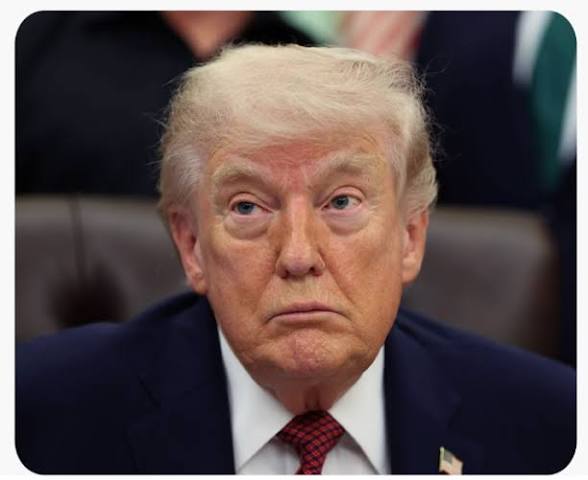
On April 22, 2026, Donald Trump announced that Iran had halted plans to execute eight women allegedly arrested during anti-government protests earlier this year. Posting on his Truth Social platform, Trump said Tehran “respected” his request to stop the executions, suggesting the move could support ongoing diplomatic talks.
However, Iranian authorities swiftly rejected the claim, insisting there was no plan to execute eight women in the first place. Officials accused Trump of relying on inaccurate reports circulating online.
Advertisement
The controversy stems from arrests linked to protests in January, where rights groups say several women were detained. While at least one individual has reportedly been sentenced to death and others face charges that could carry capital punishment, there is no independently verified list of eight women scheduled for execution.
Beyond the official statements, the episode underscores how information itself has become a tool in geopolitical negotiations.
Trump’s claim positions him as influencing humanitarian outcomes, potentially strengthening his leverage in talks involving Iran’s nuclear programme and regional security. Yet Iran’s swift denial suggests concern over external narratives shaping internal judicial matters, especially amid heightened tensions with the United States and its allies.
What makes this more complex is the role of advocacy networks and social media. The initial claim about eight women appears to have circulated without detailed identification or confirmation, raising the risk of policy decisions or diplomatic pressure being built on unverified data.
Iran has long faced criticism from groups such as Amnesty International over its use of capital punishment, particularly in politically sensitive cases. In recent years, executions have reportedly increased during periods of unrest, reinforcing claims that the justice system is sometimes used as a deterrent.
Historically, similar information disputes have complicated diplomacy. During past U.S.–Iran negotiations, conflicting public statements often delayed progress, especially when tied to sensitive issues like sanctions, nuclear development, and internal security crackdowns.
Advertisement
At the same time, global energy markets remain tightly linked to developments in the region. Roughly 20% of the world’s oil supply passes through the Strait of Hormuz, meaning even perceived instability can trigger price volatility.
The real test now is whether this dispute fades as a messaging clash or escalates into a broader breakdown in already fragile negotiations. With both sides standing firm, the credibility gap may prove as consequential as the underlying issue itself.
You must log in to comment or reply.
Comments