
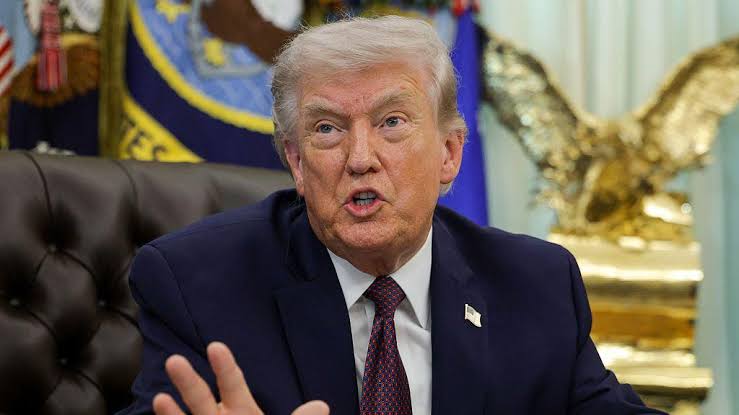
An ultimatum from Donald Trump to Iran — demanding the reopening of the Strait of Hormuz by Tuesday evening or face potential strikes — has sharply raised the stakes in an already volatile Middle East conflict. With oil prices surging and diplomatic channels strained, this confrontation could reshape energy flows and security calculations worldwide.
Trump’s announcement on April 5, 2026, came as part of a series of statements threatening military action against Iranian infrastructure if the vital waterway — through which roughly 20% of global petroleum transit flows — remains restricted. In a post to Truth Social and in remarks quoted by the Wall Street Journal, Trump set a hard deadline of 8:00 p.m. Eastern Time on Tuesday for Tehran to comply, warning that U.S. forces would “target power plants, bridges, and other critical assets” should the strait remain closed.
However, a closer look shows that the narrative isn’t simply about a single ultimatum. While the source article emphasizes the immediacy of the deadline, global outlets including Reuters and The Guardian report additional layers of diplomatic pushback, economic repercussions, and counter‑threats from Tehran. Iranian Foreign Minister Abbas Araghchi reiterated that restrictions on shipping apply only to vessels tied to nations involved in strikes on Iran, insisting neutral traffic would continue. Tehran’s military, meanwhile, issued its own warning of retaliation against U.S. and allied energy and desalination infrastructure in the region.
Advertisement
Beyond the official statements, oil markets have reacted sharply. Brent crude prices briefly breached $105 per barrel, reflecting heightened fears of prolonged disruptions in global energy supply. While the original report noted the strategic importance of the strait, it underplayed the immediate economic consequences for emerging markets, including Nigeria, which remains vulnerable to rising fuel import costs and inflationary pressures following any disturbance in oil flows.
What makes this more complex is the broader geopolitics underpinning the crisis. The ultimatum follows weeks of hostilities — including Iranian missile strikes on southern Israel that injured more than 100 people. Israel’s leadership has since vowed forceful responses on multiple fronts. Against this backdrop, U.S. demands on Iran are both a show of strength and a gamble: compelling Tehran back to commercial maritime norms could avert further escalation, but a misstep risks expanding the confrontation into a direct U.S.–Iran clash.
Other credible outlets frame the situation with differing emphases. Reuters highlights that Trump’s directive gives Iran a narrow window as part of broader conflict dynamics, while The Guardian notes international concern but underscores ambiguity over implementation. Both point to diplomatic channels that remain active — a nuance absent from the more urgent tone of the source article.
The deeper issue here is not just the deadline itself, but the fragile intersection of military threat, economic risk, and diplomatic uncertainty. If the Strait of Hormuz stays impassable, global supply chains could face significant disruption just as many economies are still navigating post‑pandemic inflation. For Nigeria specifically, heavy reliance on imported refined fuels means even brief spikes in crude price can translate into sharper local price rises and pressure on households and businesses alike.
Advertisement
Historical comparisons offer sobering perspective. In past disruptions — such as during the 2019 tanker seizure episodes — oil markets experienced rapid price volatility. Similar patterns are emerging now, but with broader involvement from regional powers and global stakeholders. Data from international energy agencies suggest that even short‑term closures in the strait can push crude markets into extended uncertainty, adding costs to freight and insurance that ripple beyond crude itself.
The real issue now is how the involved parties navigate this narrow window before the deadline expires. Diplomatic engagement, back‑channel negotiations, and strategic restraint will determine whether this moment recedes as another episode of brinkmanship — or ushers in an expanded phase of conflict with tangible costs for energy, security, and global trade.
You must log in to comment or reply.
Comments