
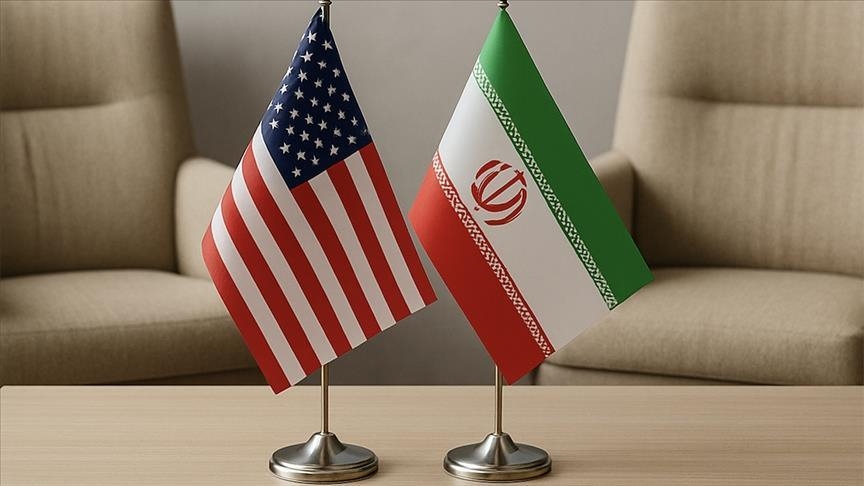
Diplomatic efforts to ease tensions between United States and Iran are entering a critical phase, with planned negotiations in Islamabad now overshadowed by escalating violence between Israel and Lebanon. What was meant to stabilise a fragile ceasefire is increasingly at risk of collapse before talks even begin.
A two-week ceasefire designed to open diplomatic channels is already under strain, as renewed strikes in Lebanon complicate efforts to bring Washington and Tehran to the negotiating table. The outcome of these talks could determine not only regional stability but also global energy flows and economic pressure far beyond the Middle East.
On April 10, 2026, Pakistan prepared to host high-level talks between US and Iranian delegations, with discussions expected to cover sensitive issues such as nuclear enrichment and maritime trade through the Strait of Hormuz.
However, uncertainty emerged after Iranian officials signalled that participation would depend on a halt to Israeli military operations in Lebanon. This follows heavy Israeli strikes earlier in the week, which reportedly killed hundreds and rattled a US-Iran ceasefire that had come into effect less than 48 hours earlier.
Advertisement
At the same time, Washington is pushing parallel negotiations between Israel and Lebanon, with meetings expected to take place in the US in the coming days. Yet neither side has fully confirmed readiness to engage, especially as cross-border attacks involving Hezbollah continue.
Beyond the official announcements, the situation reveals a deeper contradiction at the heart of the diplomacy. The United States is attempting to broker peace while maintaining strategic alignment with Israel, whose continued operations in Lebanon are directly undermining the ceasefire conditions demanded by Iran.
What makes this more complex is Pakistan’s position. While Islamabad is hosting the talks, it does not formally recognise Israel, raising questions about its ability to act as a fully neutral intermediary in a conflict where all sides demand legitimacy and trust.
The stakes extend far beyond political optics. The Strait of Hormuz remains a central point of contention, with roughly one-fifth of global oil supply passing through the waterway. Any escalation involving Iran could disrupt shipping routes, triggering ripple effects across global markets.
For countries like Nigeria, this has direct economic implications. Rising global oil prices often translate into higher domestic fuel costs, increased transportation expenses, and broader inflationary pressure—impacting households and small businesses already navigating economic strain.
Tensions in the Middle East have repeatedly disrupted global energy markets, most notably during past confrontations involving Iran and its regional allies. The current situation mirrors earlier crises where ceasefires provided temporary relief but failed to address underlying geopolitical rivalries.
Recent data indicates that even minor disruptions in the Strait of Hormuz can trigger immediate market reactions, with oil prices responding to perceived risks rather than actual supply shortages. The resumption of tanker movement following the ceasefire suggests cautious optimism, but continued military activity threatens to reverse those gains.
Advertisement
Historically, ceasefires tied to active conflict zones—especially those involving proxy actors like Hezbollah—have struggled to hold without broader regional agreements. This raises doubts about whether the current diplomatic framework is robust enough to deliver lasting stability.
The real concern now is whether diplomatic momentum can outpace military escalation. If Iran withdraws or delays participation, the window for de-escalation could narrow rapidly, increasing the risk of a broader regional conflict.
What happens next will depend not only on negotiations in Islamabad but also on decisions taken on the battlefield. For global markets and politically sensitive economies, the balance between war and diplomacy is becoming increasingly fragile.
You must log in to comment or reply.
Comments