
Tensions between Israel and Spain are escalating beyond rhetoric into tangible diplomatic strain. What began as criticism over military operations is now reshaping alliances, raising questions about Europe’s unity and the future of cooperation in the Middle East.
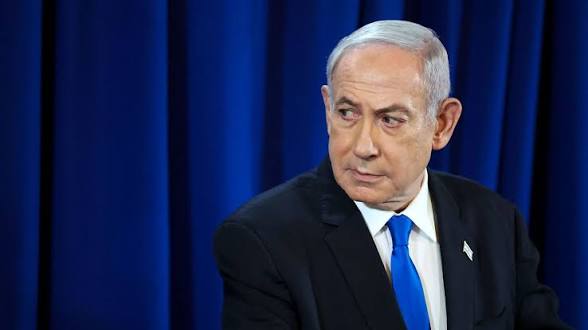
On April 10, 2026, Benjamin Netanyahu publicly accused Spain of “hostility” toward Israel following criticism from Pedro Sánchez over recent Israeli military actions in Lebanon and Gaza.
In a strongly worded statement, Netanyahu warned that countries siding against Israel in the ongoing Israel–Hamas War risk losing strategic partnership in the region. He also indicated that Israel had taken steps to limit Spain’s involvement in a civil-military coordination structure linked to Gaza operations, although details of this move remain limited in broader international reporting.
Advertisement
Spain, meanwhile, has intensified its criticism, with Sánchez calling Israel’s military conduct “intolerable” and urging the European Union to reconsider its cooperation agreements with Israel.
However, a closer look shows the dispute reflects a deeper geopolitical shift. Spain has positioned itself as one of the most vocal European critics of Israel’s actions, aligning with a growing bloc within the EU that is pushing for stronger accountability measures.
Yet the deeper issue is how Israel is responding—moving beyond diplomatic rebuttals to signal potential consequences for dissenting allies. This introduces a new layer of tension within Western alliances, where unity on Middle East policy is increasingly fragile.
What makes this more complex is the broader strategic environment. The Israel–Hamas War has already strained relationships between Israel and several international partners. Spain’s stance reflects domestic political pressures as well as a wider European recalibration, while Israel’s response underscores its unwillingness to tolerate what it sees as external interference during wartime.
For Nigeria and other developing economies, the implications are subtle but significant. Geopolitical instability in the Middle East often affects global oil prices, trade routes, and inflation trends. Any deepening rift between Israel and European actors could contribute to broader uncertainty in energy markets—an issue that directly impacts fuel costs, transportation, and small business operations in cities like Lagos and Port Harcourt.
Spain has, in recent months, taken a firmer stance than many of its European counterparts, advocating for stronger measures against Israel, including reviewing EU-Israel agreements. This places it alongside a small but influential group of countries challenging traditional Western alignment on Middle East policy.
Advertisement
Historically, diplomatic tensions between Israel and European nations have surfaced during periods of heightened conflict, but rarely with such direct language or implied consequences. The current escalation reflects both the intensity of the Gaza conflict and shifting political dynamics within Europe itself.
At the same time, Israel continues to defend its military actions as necessary for national security, maintaining that criticism from allies undermines its position in an already volatile region.
You must log in to comment or reply.
Comments