
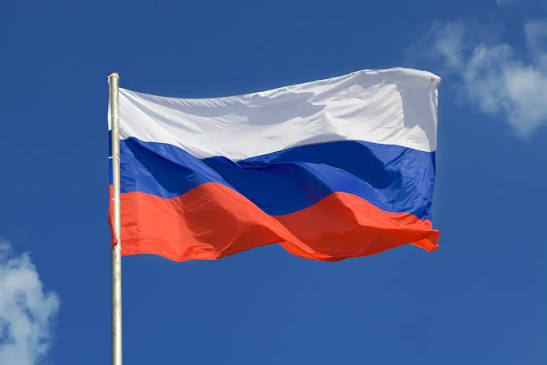
Tensions surrounding the widening conflict in the Middle East deepened after reports suggested Russia may be supplying Iran with intelligence about U.S. military positions. Washington has publicly dismissed the threat, insisting its operations in the region remain unaffected despite the claims.
The United States has said it is not alarmed by reports that Moscow may be providing Tehran with intelligence about American troop movements in the Middle East.
Speaking in a televised interview, U.S. Defense Secretary Pete Hegseth said American military commanders are closely monitoring the situation but remain confident in the country’s intelligence capabilities.
Advertisement
According to him, U.S. forces are fully aware of communications between foreign actors in the region and have systems in place to counter potential threats. He stressed that any attempts to pass sensitive information to Iran would not significantly disrupt ongoing military operations.
The White House echoed that message. Press Secretary Karoline Leavitt said reports about Russian intelligence assistance had not altered the trajectory of U.S. military operations in the conflict with Iran.
The claims surfaced after The Washington Post reported that Russia had allegedly provided Tehran with intelligence that could help identify U.S. military assets such as warships and aircraft operating across the Gulf region.
Officials cited in the report said the information may have included details about American deployments, although it remains unclear how extensively the intelligence was shared or whether Iran has acted on it.
However, U.S. authorities have not confirmed the accuracy of the claims publicly.
Russia and Iran maintain longstanding political and military ties, and both Moscow and Beijing have criticized the U.S. and Israeli military campaign against Tehran.
Advertisement
Yet Washington’s public dismissal of the intelligence-sharing reports reflects a broader effort to project confidence in its military position, even as the conflict becomes increasingly complex.
The real challenge now may be preventing the war from expanding further into a multi-power confrontation involving major global actors.
You must log in to comment or reply.
Comments