
The United States is maintaining a strong military presence around Iran despite a fragile ceasefire, underscoring how diplomacy and force are now running in parallel rather than in sequence. The decision reflects a calculated strategy: negotiate, but from a position of visible strength.
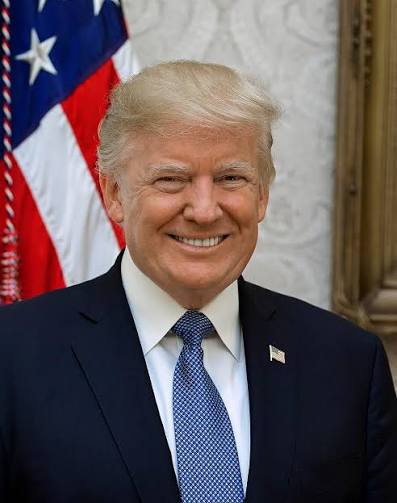
Donald Trump confirmed that American ships, aircraft, and personnel will remain deployed across the region as negotiations continue, stressing that any future agreement must be fully enforced before military posture is reconsidered. His remarks come at a time when tensions remain high and the ceasefire—still in its early phase—faces pressure from conflicting demands and regional developments.
However, a closer look shows this is less about escalation and more about leverage. The United States already maintains a network of military assets across the Gulf, including naval fleets and air bases positioned to respond rapidly to threats. Keeping these forces in place sends a dual message: deterrence against potential violations and reassurance to allies that Washington remains committed to regional security.
Advertisement
Beyond the official statement, the deeper issue is how military presence shapes negotiation outcomes. By refusing to scale back deployments, Washington preserves its ability to act quickly while increasing pressure on Tehran to make concessions—particularly on sensitive issues like nuclear development and maritime security. At the same time, this approach carries inherent risks. A heavy concentration of forces in a volatile region raises the possibility of miscalculation, where a minor incident could spiral into wider confrontation.
What makes this posture more significant is its connection to the Strait of Hormuz, one of the world’s most critical energy corridors. Ensuring the route remains open has long been a core US military objective, given that a significant share of global oil supply passes through it. Any disruption—whether intentional or accidental—could have immediate consequences for global markets, pushing up energy prices and affecting economies far beyond the Middle East.
Yet the framing of a sustained military presence also highlights a contradiction at the heart of the current situation. While negotiations aim to de-escalate tensions, the continued visibility of military power suggests that neither side fully trusts the process. Iran’s insistence on maintaining strategic control in the region, combined with US demands for strict compliance on nuclear and security issues, leaves little room for quick resolution.
Historically, US–Iran standoffs have followed a similar pattern: military positioning creates pressure, temporary agreements pause hostilities, and prolonged talks attempt to bridge deep divisions. The current moment fits that pattern, but with heightened stakes due to overlapping regional conflicts and the economic importance of energy supply routes.
Advertisement
The situation now is whether this military-backed diplomacy can produce a lasting agreement or simply delay another phase of confrontation. Keeping forces in place may strengthen Washington’s negotiating hand, but it also ensures that the line between deterrence and escalation remains dangerously thin.
You must log in to comment or reply.
Comments