
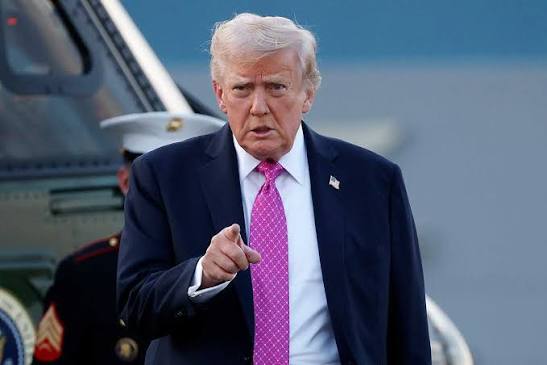
The United States is preparing to pull all its troops out of Syria — and the timing is raising eyebrows.
With tensions rising around Iran and a new power balance emerging inside Syria, Washington’s move could reshape the Middle East faster than many expected.
But here’s what most people are missing: this isn’t just a troop withdrawal — it’s a strategic reset.
US Plans Full Military Exit from Syria
According to multiple US media reports, Washington is planning to withdraw approximately 1,000 American troops from Syria within the next two months.
The withdrawal follows:
• The consolidation of power by Syria’s new authorities after the fall of Bashar al-Assad in late 2024
• A pledge by the Kurdish-led Syrian Democratic Forces (SDF) to integrate into the Syrian state
• The scaling down of key US bases, including Al-Tanf and Al-Shadadi
US forces have played a central role in the coalition fight against ISIS since 2014.
Advertisement
Now, Washington appears ready to close that chapter.
Why Is the US Leaving Now?
Three key factors stand out:
1. Syria’s Political Shift
Since the collapse of Assad’s regime, new authorities have extended control across most of the country. This reduces the original justification for US boots on the ground.
2. Kurdish Integration Deal
The SDF — once America’s most important local partner against ISIS — has agreed to integrate into Syria’s national framework. That changes the security equation.
3. Strategic Repositioning Against Iran
While troops are leaving Syria, reports suggest the US is strengthening military capabilities near Iran.
And here’s the bigger question:
Is this really a withdrawal — or just a repositioning?
Rising Tensions with Iran
US media reports indicate Washington is prepared to launch strikes against Iran if provoked, though President Donald Trump has not made a final decision.
Iranian officials have warned they would respond to any US attack by targeting American military assets in the region.
If escalation occurs, the Syria withdrawal could be interpreted not as retreat — but strategic consolidation.
What Happens to ISIS?
Although ISIS has lost territorial control, thousands of fighters remain detained across Syria and Iraq.
The US has reportedly transferred large numbers of ISIS detainees to secure facilities in Iraq.
But here’s what may surprise many observers:
Even without territory, extremist networks can regenerate in power vacuums.
Advertisement
Security analysts warn that a complete US exit could test Syria’s new authorities — and regional stability.
What This Means Globally
The decision could:
• Shift regional power dynamics
• Strengthen Russian and Iranian influence in Syria
• Redefine America’s Middle East posture
• Impact NATO and US coalition credibility
After nearly a decade of military presence, the US appears to be recalibrating its strategy.
But whether this leads to stability — or renewed instability — remains uncertain.
You must log in to comment or reply.
Comments