
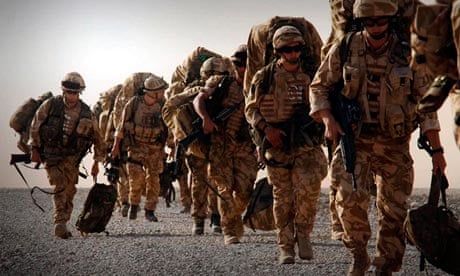
The arrival of elite U.S. paratroopers in the Middle East marks a significant shift in the tempo of the ongoing Iran conflict. While officially framed as a precautionary buildup, the scale and timing of the deployment suggest Washington is expanding its military options in a region already on edge.
On March 31, 2026, multiple U.S. officials confirmed that thousands of troops from the 82nd Airborne Division had begun arriving in the Middle East, reinforcing an already growing American presence. The deployment follows earlier movements of Marines, naval forces, and special operations units, bringing total additional troop numbers into the thousands. According to reporting by Reuters, the forces include a brigade combat team, logistics units, and command elements, though officials declined to disclose precise locations.
However, a closer look shows this is not merely a defensive move. While initial reports emphasize “readiness” and “deterrence,” discussions within the administration of Donald Trump have reportedly explored far more aggressive scenarios. These include potential operations targeting Iran’s critical oil infrastructure, particularly Kharg Island, which handles the majority of the country’s crude exports, as well as contingency plans involving ground troop deployment under specific conditions.
Advertisement
Beyond the official statements, different global outlets have framed the story with subtle but important differences. Reuters focused on the operational details and strategic ambiguity, emphasizing that no final decision has been made on direct ground intervention. Meanwhile, U.S.-based defense publications have highlighted the military readiness aspect, portraying the deployment as part of routine contingency planning. Yet both approaches underplay the geopolitical weight of placing rapid-response airborne forces within striking distance of Iran.
What makes this more complex is the overlap between military positioning and economic pressure. The strategic waterways at the center of the tension—especially the Strait of Hormuz—carry roughly a fifth of global oil supply. Any escalation involving troop deployment near Iranian territory or attempts to secure shipping lanes could trigger immediate disruptions in global energy markets. For oil-dependent economies like Nigeria, this raises the risk of price volatility, with direct consequences for fuel costs, inflation, and transport systems already under strain.
That framing leaves out a key contradiction: while Washington signals restraint publicly, the buildup itself creates pressure that can accelerate conflict dynamics. Historically, similar troop surges—such as pre-invasion deployments in Iraq—began as “options on the table” before evolving into active operations. The presence of airborne units, designed for rapid insertion into hostile territory, suggests planning that goes beyond passive defense.
Data from the ongoing campaign further underscores the intensity of the situation. Since late February, U.S. operations have reportedly targeted over 11,000 sites linked to Iranian capabilities, with hundreds of American personnel injured and multiple fatalities recorded. These figures indicate a conflict that is already active and expanding, even without a formal declaration of large-scale ground war.
Advertisement
For Nigeria and other emerging economies, the implications are not abstract. Past Middle East crises—particularly in 2019 and 2022—triggered immediate spikes in global oil prices, translating into higher fuel costs locally despite Nigeria’s oil-producing status. With domestic refining and supply challenges still unresolved, any sustained disruption in the Gulf could amplify economic pressure on households and small businesses.
You must log in to comment or reply.
Comments