
A temporary ceasefire between the United States and Iran has been welcomed by Israel, but the agreement appears limited in scope. Fresh clarification from Israeli authorities shows that the truce does not extend to ongoing tensions in Lebanon.
On April 7, 2026, Donald Trump announced a two-week ceasefire between the United States and Iran, aimed at halting recent hostilities and creating room for negotiations.
According to the US president, the agreement includes Iran’s commitment to reopen the Strait of Hormuz, a major global oil shipping route, while Washington suspends further attacks during the period.
Trump described the development as a “double-sided ceasefire,” stating that the United States had “met and exceeded all military objectives” and was progressing toward a broader agreement for long-term peace.
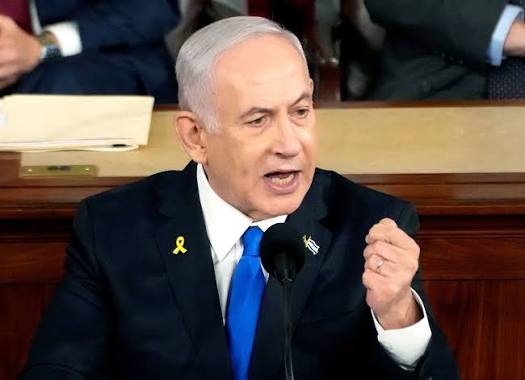
Reacting to the announcement, Benjamin Netanyahu expressed support for the decision to pause strikes against Iran.
Advertisement
However, the Israeli prime minister clarified that the ceasefire does not include Lebanon, according to statements from his office and local media reports.
Israel also indicated that its backing of the truce is conditional, particularly on Iran’s reopening of the Strait of Hormuz and a halt in attacks.
The clarification comes amid ongoing tensions between Israel and Hezbollah in Lebanon, suggesting that while the ceasefire may reduce direct confrontation between the US and Iran, other regional conflicts remain active.
The ceasefire is expected to last for two weeks, during which both sides may engage in further negotiations aimed at reaching a more comprehensive agreement.
Beyond the official announcements, the agreement exposes a fragmented approach to conflict resolution in the Middle East.
Iran has agreed to temporarily reopen the Strait of Hormuz, a move that immediately triggered a drop in global oil prices. For oil-dependent economies like Nigeria, this could translate into short-term relief in fuel costs and inflation pressures. Yet, that benefit remains uncertain if the ceasefire collapses.
What makes this more complex is Israel’s position. By excluding Lebanon from the ceasefire, Israel is effectively signaling that regional proxy conflicts will continue, even as direct confrontation with Iran pauses. This undermines the perception of a comprehensive de-escalation.
That framing leaves out a critical reality: this is not a unified peace effort but a selective pause shaped by competing strategic interests.
Advertisement
There is also visible inconsistency among mediators. Pakistan, which played a role in brokering talks, suggested the ceasefire could apply broadly across the region. Israel’s immediate rejection of that interpretation highlights gaps in coordination and trust among stakeholders.
The ceasefire has bought time, but not certainty. With Israel continuing operations in Lebanon and major disagreements unresolved between Washington and Tehran, the situation remains volatile.
The ultimate challenge now is whether ongoing negotiations can transform this short pause into a structured agreement. If they fail, the region could quickly slide back into escalation—this time with even higher stakes for global energy markets and economies like Nigeria.
You must log in to comment or reply.
Comments