
The arrival of U.S. Marines in the Middle East and Yemen’s Houthi entry into the Iran conflict mark a shift from contained confrontation to a widening regional crisis. What began as targeted strikes is now testing global oil routes, regional alliances, and the limits of military escalation.
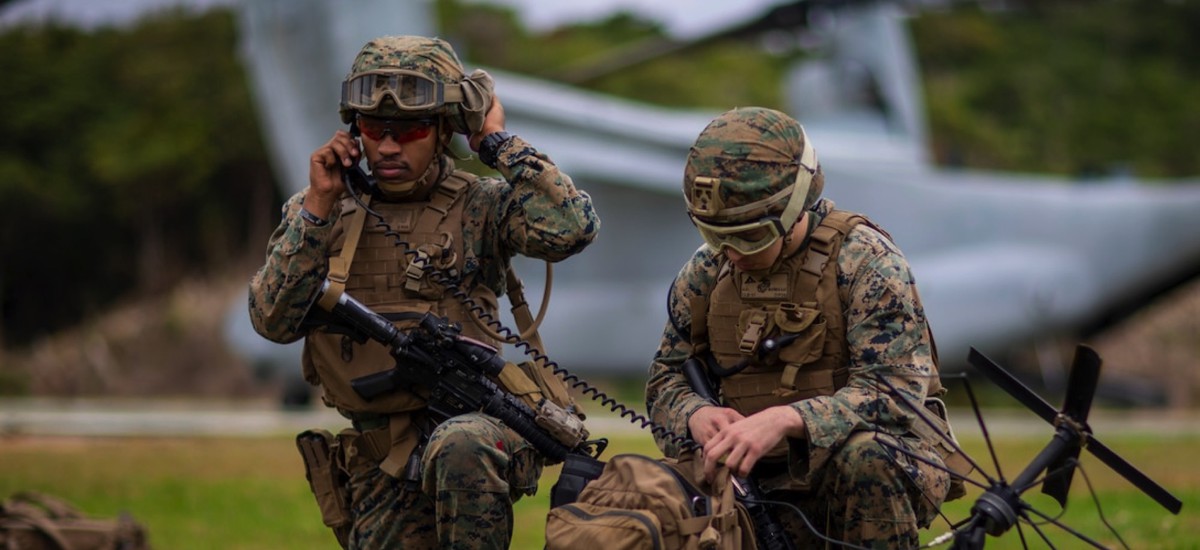
On March 28, the United States confirmed that thousands of Marines and sailors aboard the amphibious assault ship USS Tripoli had entered the Middle East, reinforcing its military posture amid rising tensions with Iran. The deployment, involving roughly 3,500 personnel alongside aircraft and combat assets, signals Washington’s readiness to respond if the conflict expands further. At the same time, Houthi forces in Yemen announced they had launched ballistic missile attacks targeting Israeli military sites, formally aligning themselves with Iran in the ongoing hostilities.
However, a closer look shows that while the troop deployment is confirmed, its purpose is more complex than immediate combat. Coverage from organizations like Reuters emphasizes deterrence and strategic positioning, noting that the U.S. is preparing for multiple contingencies rather than committing to a ground invasion. In contrast, some regional and local outlets frame the move as a precursor to imminent military action, particularly around sensitive areas like the Strait of Hormuz. Meanwhile, outlets such as The Guardian highlight the uncertainty within Washington, where officials are weighing risks of escalation against the consequences of inaction.
Advertisement
Yet the deeper issue is not just troop movement or missile launches, but the rapid expansion of the conflict’s geography. The involvement of the Houthis introduces a new front along critical maritime routes, raising concerns about Red Sea shipping and global energy flows. Iran’s alleged retaliatory strikes across Gulf states, including reported drone incidents affecting infrastructure in Oman and the UAE, suggest a strategy aimed at widening pressure beyond direct military confrontation. That framing leaves out a key implication: even limited disruptions in these مناطق could trigger global oil price volatility, with downstream effects on economies far beyond the Middle East.
For Nigeria, the stakes are not distant. As a major oil producer tied to global pricing benchmarks, any sustained instability around the Strait of Hormuz — through which a significant portion of the world’s oil supply passes — could lead to higher crude prices. While this may boost government revenues in the short term, it often translates into increased fuel costs domestically due to structural inefficiencies in refining and distribution. Past geopolitical shocks, including tensions in the Gulf in 2019 and 2022, triggered similar price surges that ultimately strained Nigerian consumers and small businesses.
What makes this moment more complex is the layering of military signaling and diplomatic breakdown. Iranian President Masoud Pezeshkian has accused adversaries of exploiting regional territories to launch attacks, while Russia has warned that strikes on nuclear-related facilities risk radioactive consequences and violate international law. These responses underscore how quickly the conflict is drawing in global powers, raising the cost of miscalculation.
Beyond the official statements, there is little clarity on how far either side is willing to go. While reports mention potential U.S. interest in strategic Iranian locations such as key oil export hubs, these remain contingency scenarios rather than confirmed operations. That distinction is critical, yet often blurred in fast-moving coverage, creating a perception of inevitability around a broader war that has not yet materialized.
You must log in to comment or reply.
Comments