
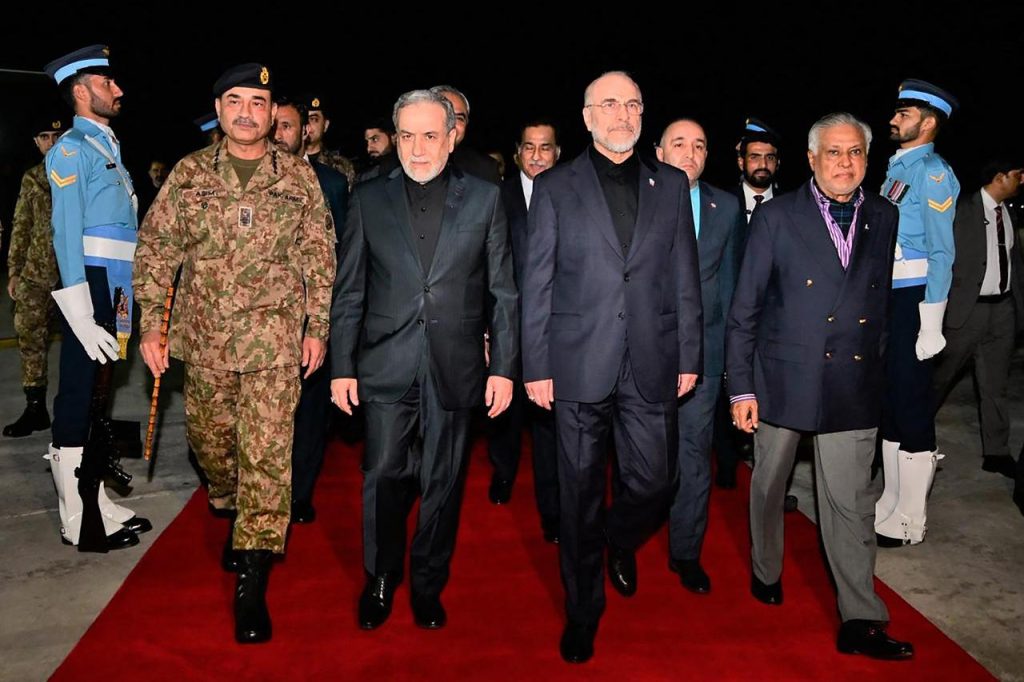
Tension is defining the latest round of diplomacy between the United States and Iran, as both sides enter high-stakes negotiations in Pakistan with sharply opposing demands and little trust. What appears on the surface as routine peace talks is, in reality, a fragile attempt to prevent a wider regional escalation with global economic consequences.
On April 11, 2026, delegations from Iran and the United States arrived in Islamabad for critical talks hosted by Pakistan. The Iranian team, led by parliamentary speaker Mohammad-Bagher Ghalibaf, made its position clear from the outset: engagement does not equal trust.
“We have good intentions, but we do not have trust,” Ghalibaf said, referencing past failed agreements with Washington.
On the American side, Vice President JD Vance issued a warning before departure, signaling a tough negotiating stance. Meanwhile, Donald Trump reiterated that preventing Iran from acquiring nuclear weapons remains the central objective of the talks.
However, Iran has introduced firm preconditions, including a halt to Israeli military actions in Lebanon and relief from sanctions that have frozen its assets. It also wants guarantees around access to the strategically vital Strait of Hormuz—a chokepoint for global oil shipments.
Advertisement
Beyond the official statements, the negotiations expose a layered geopolitical struggle where diplomacy and military pressure are unfolding simultaneously.
Iran’s insistence on linking the talks to Lebanon reveals a broader regional strategy—leveraging multiple conflict zones to strengthen its bargaining position. The US, on the other hand, is attempting to isolate the nuclear issue, resisting any expansion of the negotiation scope.
Yet that framing leaves out a critical reality: these issues are interconnected. Control over the Strait of Hormuz, ongoing tensions in Lebanon, and nuclear concerns are all part of a single strategic equation shaping power in the Middle East.
This is not the first time US–Iran negotiations have been weighed down by distrust. The collapse of previous nuclear agreements—most notably the 2015 deal and subsequent withdrawal—continues to shape both sides’ expectations.
Historically, similar tensions in 2019 and 2022 led to:
• Temporary spikes in global oil prices
• Increased military deployments in the Gulf
• Shipping disruptions affecting international trade
Advertisement
Current trends suggest the stakes are even higher. With global energy markets still recovering from recent shocks, any escalation could amplify volatility, particularly for import-dependent nations.
The situation now is whether both sides can move beyond entrenched positions long enough to secure even a limited agreement. With military threats still lingering in the background and multiple regional conflicts tied into the negotiations, failure could quickly undo the fragile stability currently holding.
What happens in Islamabad may not stay in Islamabad. The outcome will shape not just Middle East security, but also global energy flows—and by extension, everyday economic realities in countries far beyond the negotiating table.
You must log in to comment or reply.
Comments